Key takeaways
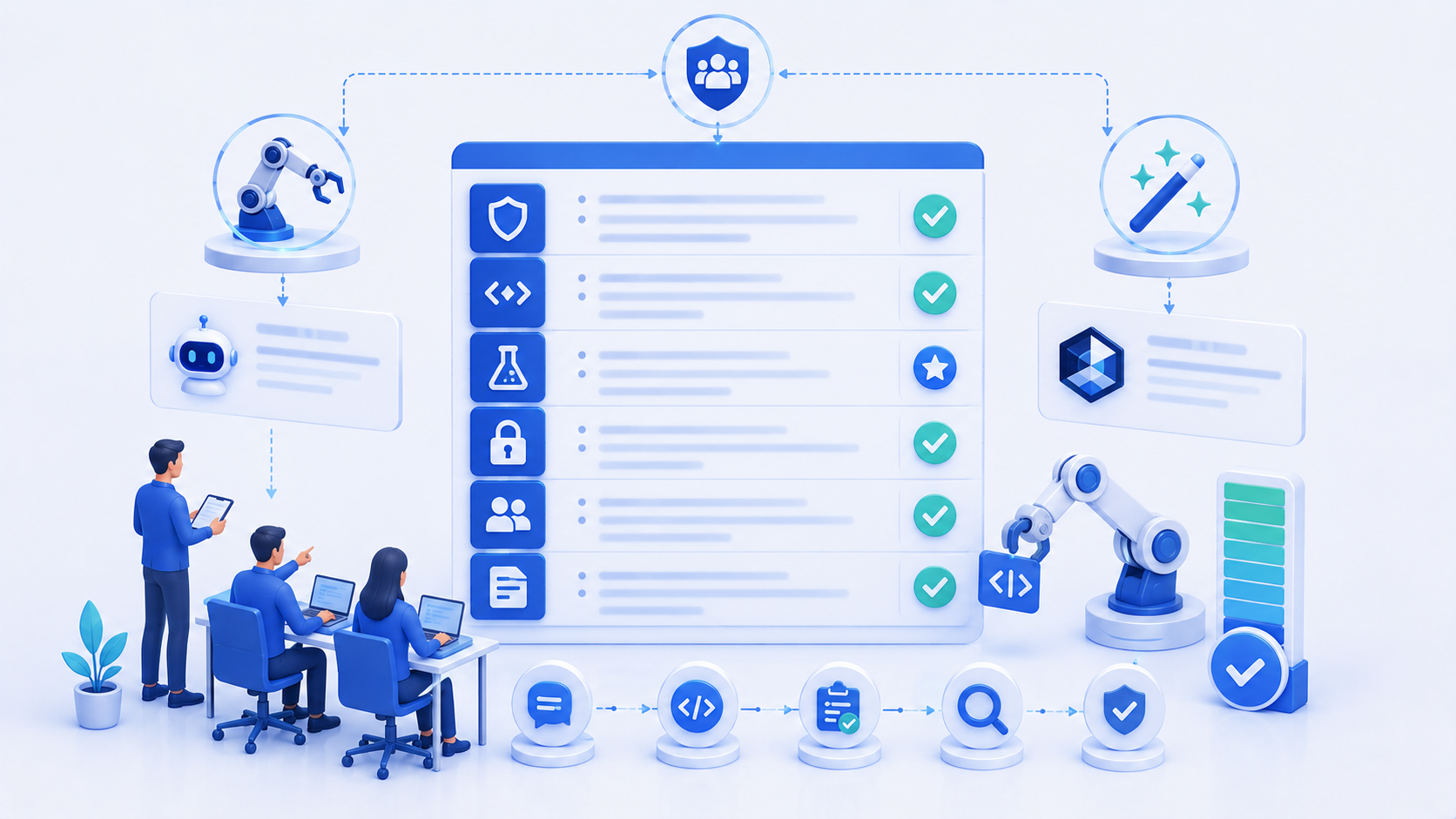
- Human submitters own AI-generated code in review
- Require tests beyond what AI hallucinates as passing
- Apply extra security scrutiny on auth and file handling
- Split large AI diffs into reviewable pull requests
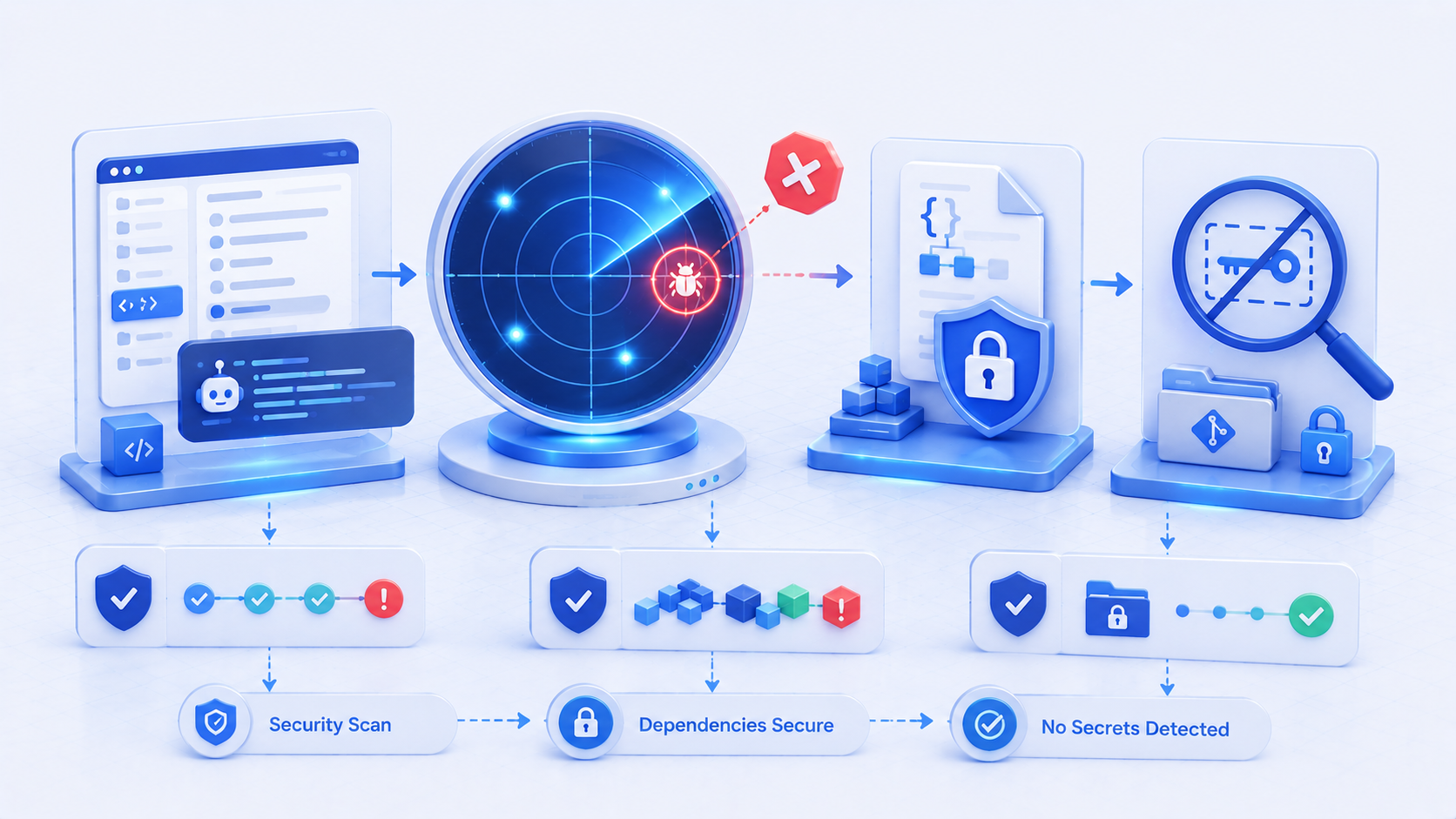
- Never paste production secrets into external AI tools
- Use CI scanners as non-negotiable backstop
Article content
AI coding tools changed velocity - not responsibility
Cursor, Copilot, and Claude generate Django views, tests, and migrations faster than ever. SparkScribe embraces AI-assisted coding internally - and we tightened review rules because of it. Generated code looks plausible while missing project conventions, security checks, and edge cases your production history already solved.
This article documents how our engineering team uses AI tools without lowering the bar for merges to main.
What AI helpers do well on Django projects
Boilerplate serializers, admin registrations, repetitive test fixtures, docstrings, and migration stubs arrive quickly. AI excels at translating well-specified tickets into first drafts. It also helps explore unfamiliar libraries - always verified against official docs.
What it does poorly: permission models matching your domain, subtle ORM performance traps, idempotency in payment flows, and compliance-sensitive logging. Those require human owners.
Our review rules for AI-generated pull requests
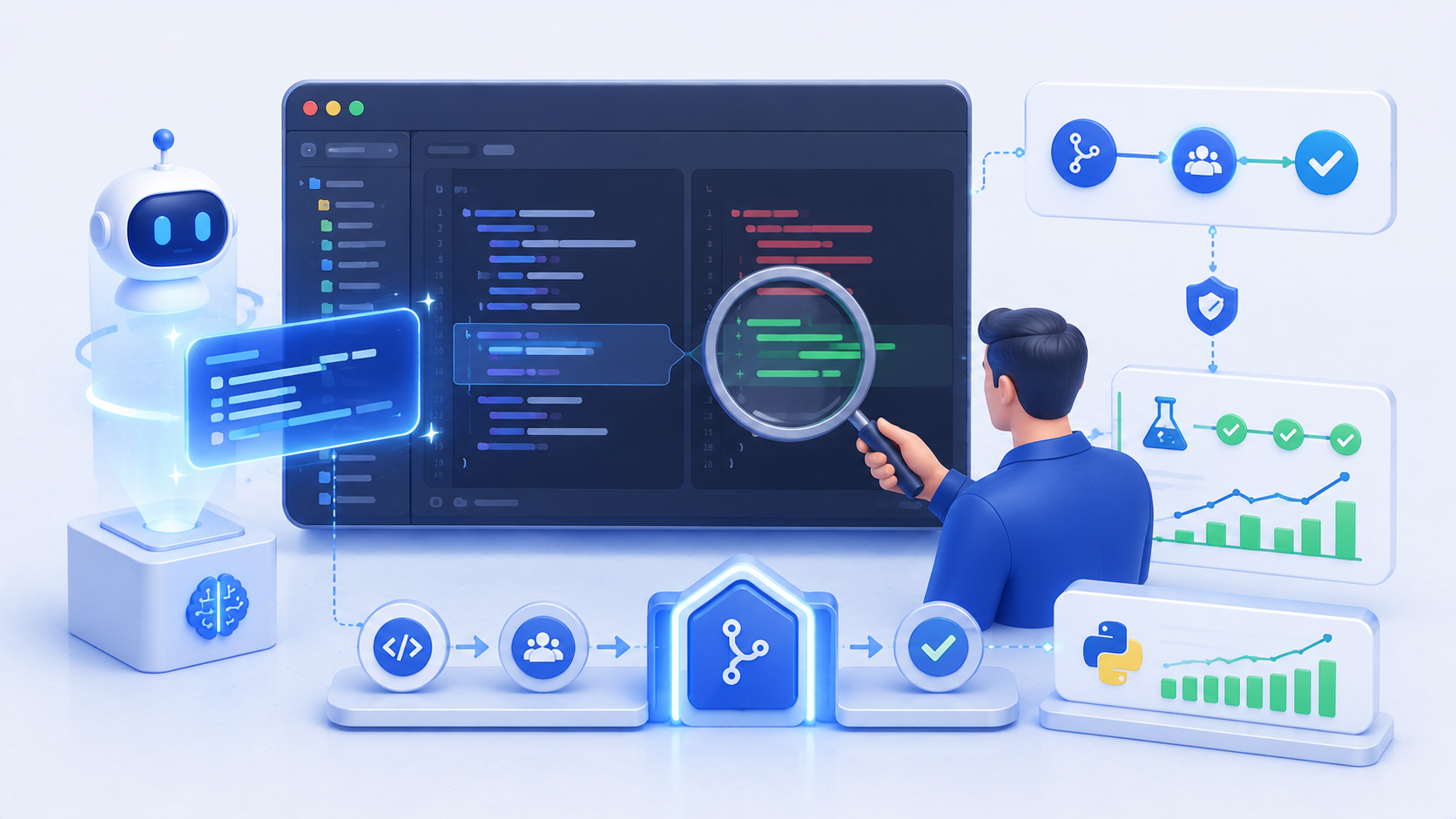
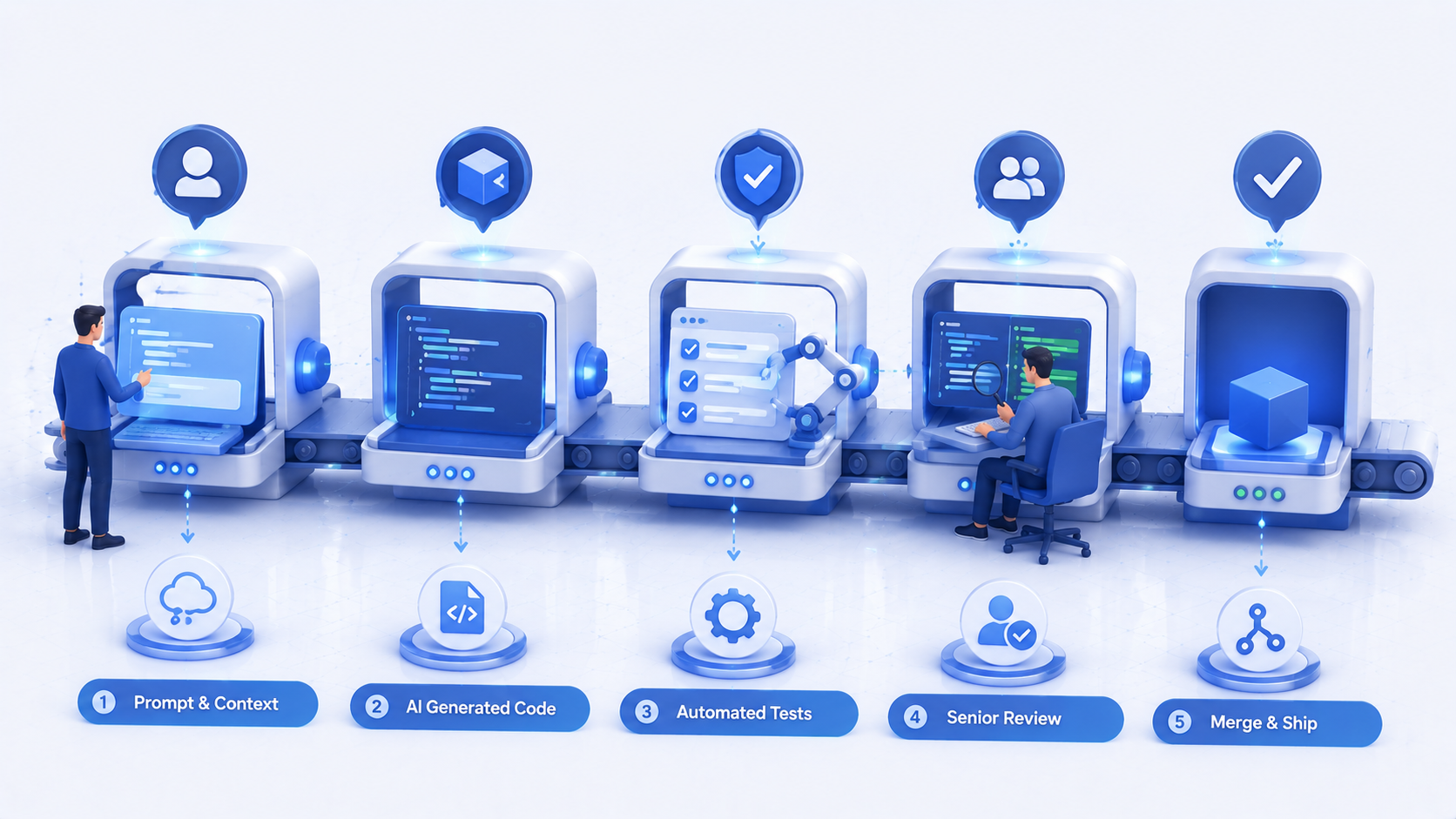
- Human author accountable: The engineer who submits PR owns behavior regardless of tool assistance - no blaming the bot in review.
- Tests required: New logic ships with tests AI did not merely hallucinate - run them locally and in CI.
- Security pass: Extra scrutiny on auth, file handling, SQL, shell commands, and secrets - common AI mistake zones.
- Convention check: Match project naming, service layer patterns, and error handling - reject clever one-offs.
- No unreviewed dependencies: AI-suggested packages need justification and license check before requirements.txt changes.
- Diff size limits: Large AI dumps split into reviewable chunks - reviewers skip massive PRs.
Prompting practices that reduce rework
Feed context: relevant models, existing serializer examples, and non-goals. Ask for incremental diffs against files rather than whole modules. Request tests explicitly with edge cases listed in the ticket.
Never paste production credentials or customer data into external tools - use sanitized fixtures. Client contracts may restrict which AI services process their code; honor those terms in engagement SOWs.
CI and static analysis as backstop
Linters, type hints where adopted, security scanners, and migration checks catch classes of AI mistakes humans skim past. CI failure blocks merge - no manual override without lead approval.
We track defect escape rate on AI-assisted PRs versus fully manual ones. If gaps appear, training updates - not tool abandonment.
Client projects and transparency
SparkScribe discloses AI-assisted development when clients require it. Velocity gains pass to clients as faster iteration, not as excuse for skipped QA. Deliverables remain human-reviewed production code meeting agreed standards.
Culture: tools serve the team
Junior engineers learn faster with AI explanations; seniors guard architecture. Pair AI speed with mandatory design notes on risky features. Celebrate catches in review - AI makes mistakes normal, not shameful.
Adopt AI coding with guardrails
If your team uses Copilot or Cursor today without documented rules, you are accepting unmeasured risk. Formalize review expectations, measure outcomes, and keep security checks non-negotiable. Questions about our delivery standards? Visit Django development or contact SparkScribe.
Training engineers to prompt with discipline
Internal guild sessions share effective prompts for Django patterns in our codebase - how to reference existing serializers, where service modules live, which anti-patterns reviewers reject. New hires learn faster when examples are curated from merged PRs, not generic internet snippets. We discourage paste-the-entire-repo context windows; targeted file references produce cleaner diffs.
Senior engineers spot architectural drift AI introduces - unnecessary abstractions, duplicate utilities, skipped transactions on financial code. Mentorship during review turns AI assistance into a teaching tool rather than a shortcut around learning the domain model.
Measuring whether AI assistance pays off
Track cycle time from ticket start to merge, defect rate post-release, and reviewer time per PR before and after tool adoption. If velocity rises but defects rise faster, tighten rules rather than celebrate speed alone. Some tasks - greenfield prototypes, internal scripts - deserve looser guardrails; payment and auth paths stay strict regardless of tool use.
Documentation and comments generated by AI
AI-generated docstrings and README sections require verification against actual behavior - outdated docs are worse than none. We treat documentation updates as part of definition of done when AI touches public APIs. Admin help text and internal runbooks follow the same review standard as executable code.
When to disable AI assistance temporarily
During security-sensitive refactors, major migrations, or compliance audits, teams may pause AI tools to reduce noise and enforce deliberate human authorship. Announcing these windows avoids confusion and signals seriousness to auditors reviewing change management practices.
Aligning client contracts with internal AI policy
Some clients prohibit specific AI vendors or require anonymization before code leaves their environment. SparkScribe maps contract clauses to toolchain settings per engagement - which repositories allow AI assistance, which require manual-only paths, and how we evidence compliance during audits. Clarity here prevents accidental policy violations that damage trust faster than any single bug.
Review rules evolve as tools improve - we revisit this policy quarterly and share updates with client engineering leads.
Further reading
AI can write code faster than your team can review it - that is a process problem, not a reason to skip review.

Do you use AI on client codebases?
Yes, with client policy compliance, sanitized context, and full human review before merge.
Does AI replace junior developers?
No - it accelerates onboarding and boilerplate while juniors learn conventions through review feedback.
What gets flagged automatically in CI?
Missing migrations, failing tests, lint errors, known insecure patterns, and oversized diffs without lead approval.
Should clients mandate no-AI clauses?
Clients may specify restrictions; we document tooling in SOWs and adjust workflows to match contractual requirements.
Building with an offshore team? Ask about our delivery standards on your next intro call.