

SPA · Next.js · Design systems
React Development
Modern React frontends wired to Django or FastAPI backends, fast, accessible, maintainable.
- Figma-accurate UI wired to Django or FastAPI backends.
- Next.js when SEO matters; Vite when the app is behind login.
- Accessible components, keyboard flows, and real empty states.
- Core Web Vitals checked on staging before launch.
- Component libraries your team can extend after handover.

What we deliver for react development
Core deliverables
- Component libraries
- State management & data fetching
- SSR/SSG with Next.js when needed
- Accessibility & performance audits
- API integration with OpenAPI types
Why teams choose this engagement
- Responsive UI from design system or Figma
- Accessibility and keyboard navigation
- Performance budget and Core Web Vitals checks
- Component library aligned with backend releases
Problems we solve in react development
-
Component library nobody adopts
Design systems fail when tokens and spacing drift per feature. We align components with backend releases in one sprint rhythm.
-
API types hand-copied from Slack
React teams stall when OpenAPI changes without generated types. We wire contract tests and typed clients early.
-
Core Web Vitals red after launch
Performance budgets need measurement on staging with real auth and data, not Lighthouse on a static demo.
-
Accessibility deferred to v2
Keyboard traps and missing labels create compliance risk. We treat a11y as delivery, not a backlog item.
How we build react development
Founder-led engineers in Surat (IST) with morning and end-of-day updates so distributed product owners stay in the loop.
We build React frontends that match your Figma and talk cleanly to Django or FastAPI backends. Next.js when SSR or marketing SEO needs it; Vite + React when the app is behind login.
Performance and accessibility are part of delivery, not a separate audit you pay for later.
Teams that want a polished UI on top of a Python backend they already trust.
UI wired to Python APIs
React frontends on Django or FastAPI backends share one backlog and weekly integrated demos. OpenAPI types, error states, and loading paths ship before investor reviews.
- Component library aligned with design tokens
- Typed API clients from OpenAPI contracts
- Core Web Vitals checked on authenticated staging

Accessible, measured UI
We implement keyboard flows, empty states, and responsive breakpoints your design file skipped. Performance and a11y are verified on staging, not promised after launch.
- Real error and loading paths, not happy-path only
- Storybook or equivalent for design review
- Same sprint cadence as the backend squad

Where we apply react development
Vertical experience from shipped products, not generic claims.
Why teams choose us for react development
Six reasons founders and product leads pick us over a generalist shop - scoped to how we deliver this engagement.
-
Design to code
Spacing, errors, and loading states implemented, not skipped.
-
OpenAPI-driven types
Frontend and backend share contract truth.
-
Performance budget
Measured CWV before marketing sends traffic.
-
Same sprint as API
No blame game between frontend and backend vendors.
-
Backend-aligned sprints
Same rhythm as the API team - integrated demos, not isolated UI drops.
-
Honest estimates
We say when a Figma file underestimates responsive or state complexity.
Is this for you?
Good fit
- You have designs ready and need engineering execution.
- Your API exists or is being built in parallel with OpenAPI types.
- You want a component library your team can extend.
- You have Figma or component specs ready for production build.
- You want accessibility and performance checked before launch.
- Your API exists or ships in parallel with shared contracts.
Probably not
- You need a PHP WordPress theme only.
- You need a WordPress theme or PHP-only site.
- You want pixel changes only with no engineering ownership.
- You refuse design review on loading, error, and empty states.
Delivery process for react development
How we deliver React UI that matches design and talks cleanly to your API.
We walk Figma or wireframes for loading states, breakpoints, empty paths, and keyboard flows - not just the hero mockup. Browser targets and API integration points captured before component work starts.
Design tokens, shared patterns, and component specs tracked in the backlog alongside API contracts. Your backend squad sees the same sprint board and demo cadence.
UI built against staging APIs with PR previews when your stack supports them. Integrated demos show real data paths, not isolated Storybook states.
Core Web Vitals measured on staging, keyboard flows verified, and screen-reader checks on critical paths. Performance budgets discussed before launch traffic, not after complaints.
-
Component plan
We walk Figma or wireframes for loading states, breakpoints, empty paths, and keyboard flows - not just the hero mockup. Browser targets and API integration points captured before component work starts.
-
Vertical slices
Design tokens, shared patterns, and component specs tracked in the backlog alongside API contracts. Your backend squad sees the same sprint board and demo cadence.
-
a11y and perf pass
UI built against staging APIs with PR previews when your stack supports them. Integrated demos show real data paths, not isolated Storybook states.
-
Handover
Core Web Vitals measured on staging, keyboard flows verified, and screen-reader checks on critical paths. Performance budgets discussed before launch traffic, not after complaints.
Stack for react development
Tools and runtimes we use on this type of engagement - chosen for production delivery, not slide-deck logos.
- React
- TypeScript
- Next.js
- Tailwind




How we work on react development
-
Figma → code
Design tokens and component specs tracked in the backlog.
-
Device testing
Breakpoints and touch targets verified on real viewports.
-
Storybook / previews
UI PR previews when your stack supports them.
-
Integrated demos
UI shown against live API on staging.
Production discipline for react development
-
Performance budget
Core Web Vitals checked on staging builds before release. Asset budgets and lazy-load rules agreed when marketing pages are in scope.
-
Preview deploys
Branch previews for UI review when infra allows. Design and product sign off against live API responses, not static mocks.
-
A11y smoke tests
Keyboard and screen-reader checks on checkout, login, and settings flows. Focus order and error announcements verified before launch.
-
Instant rollback
Static asset and CDN revert paths documented alongside app deploy steps. Previous bundle available within minutes if a UI regression slips through.
Track record from react development
Metrics from shipped products and active engagements - not slide-deck claims.
- 40+
- UI builds delivered
- CWV
- Checked on staging pre-launch
- IST
- Morning & EOD sync
- a11y
- Keyboard flows in scope
Proof from react development
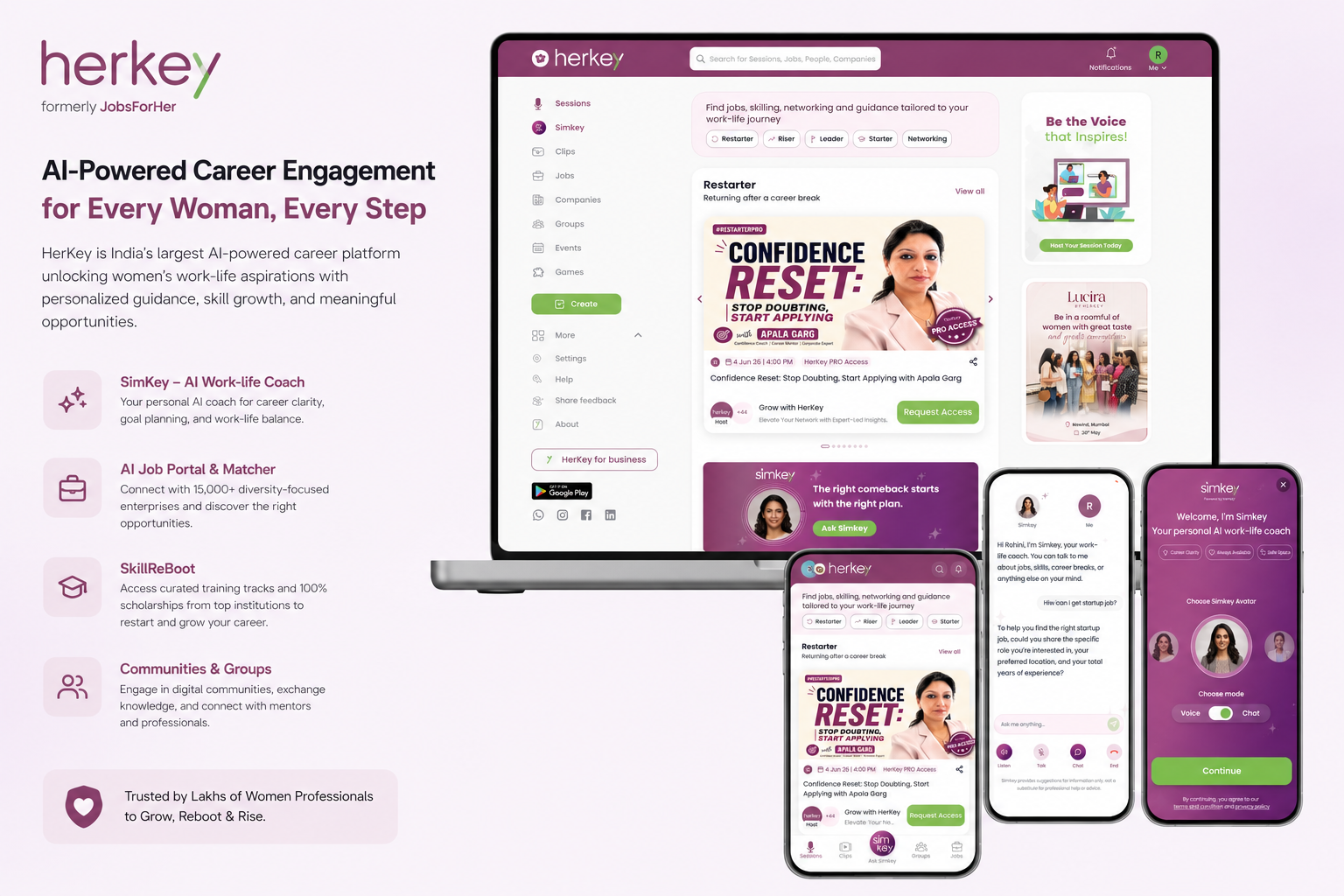
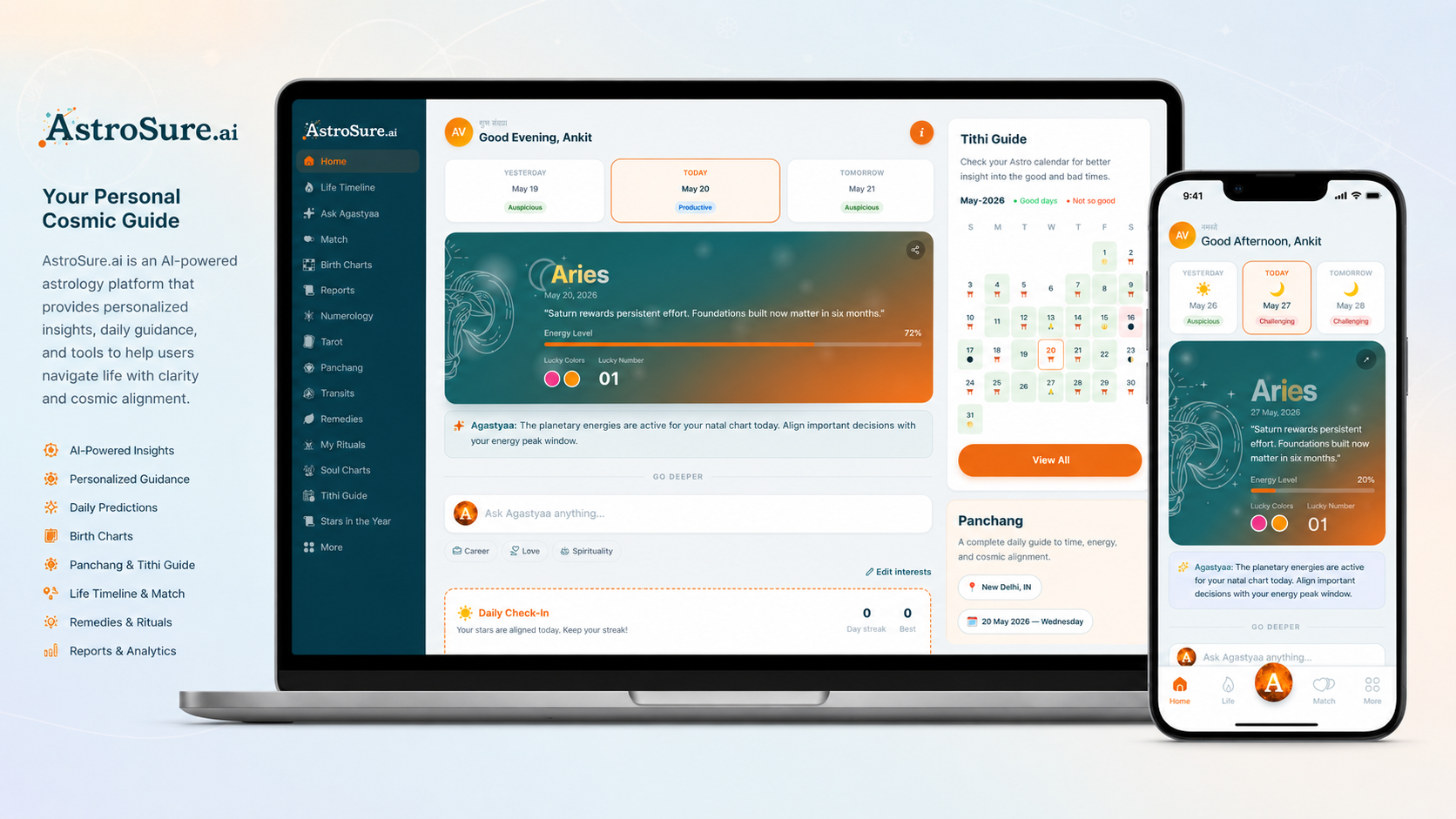
Real products we shipped for founders in the US, UK, and Europe.
Design-led teams ask whether we implement the full UX path - loading states, accessibility, and performance - not just the hero mockup.
-
Design never matches production
Featured work shows responsive UI with real data - not static Figma exports.
-
Performance hurt us after launch
We measure Core Web Vitals on staging; case studies include logged-in dashboards.
-
Accessibility is non-negotiable
Production UIs with keyboard flows and role-based views - not marketing-only pages.
Engagement models for react development
React frontends via fixed-scope UI builds or squad extension alongside your API team.
-
Fixed-scope project
Discovery, written requirements, and milestone billing. Best for MVPs, redesigns, and integrations with a defined end state.
- Duration: Phased milestones
- Working: Sprint plan agreed upfront
- Billing: Per milestone or phase
- Timeline: Based on signed scope
-
Dedicated squad
A focused engineering squad on your product: weekly demos, shared backlog, and one accountable team when scope evolves.
- Duration: 8 hrs/day · 5 days/week
- Working: ~160 hrs/month capacity
- Billing: Monthly invoice
- Timeline: Sprint-based delivery
-
Part-time retainer
Smaller monthly hour buckets for fixes, dependency updates, and enhancements, with the same engineers when possible.
- Duration: 4 hrs/day · 5 days/week
- Working: ~80 hrs/month
- Billing: Monthly retainer
- Timeline: Ongoing support window
Questions about react development
What prospects ask on a first call about this service: scope, timelines, fit, and how we work.
- Scope & pricing
- Delivery process
- Handover & IP
- NDA & quality gates
5 questions
Do you build React SPAs, Next.js, or both?
We pick based on SEO, auth, and deploy needs. Next.js when SSR or routing matters; SPA when the product is app-shell heavy.
How do you hand off from design to React implementation?
Component inventory, states for empty/error/loading, and accessibility checks before we call a screen done.
Can you integrate React with our existing Django or API backend?
Yes. We align on API contracts, auth cookies or tokens, and env config so frontend and backend release together.
What performance work do you include for React apps?
Bundle review, lazy routes where it helps, and Core Web Vitals fixes on templates that drive conversion.
How do you test React features before release?
Critical flows get automated tests; PR previews when CI allows; manual QA on payment and auth paths.
Need React engineers? Let's wire the UI.
Share your designs, API contracts, and accessibility requirements. We deliver component libraries and pages connected to the backends we ship in the same sprints.
- Figma-to-production with accessible components.
- Same squad for UI and Python APIs when needed.