


APIs · Services · Jobs
Backend Development
Secure, testable server-side systems, the foundation your frontend and partners rely on.
- Bounded contexts, migrations you can run at 2 a.m., and clear APIs.
- Queues, webhooks, and idempotent jobs for real traffic.
- Security review before partners connect.
- Observability when production breaks at the worst time.
- Cleanup without stopping product delivery.

What we deliver for backend development
Core deliverables
- Service-oriented architectures
- Background jobs & queues
- Database modeling & migrations
- Observability & alerting
- Security reviews
Why teams choose this engagement
- REST or GraphQL APIs with OpenAPI documentation
- Authentication, authorization, and admin interfaces
- Database design, migrations, and backup strategy
- Integration with payments, CRM, and third-party APIs
Problems we solve in backend development
-
Frontend blocked on undocumented APIs
UI teams stall when endpoints change without contracts. We deliver OpenAPI and staging sandboxes before parallel frontend sprints.
-
Background jobs fail without alerts
Queues and cron tasks that silently stop corrupt data. We wire retries, dead letters, and paging before production traffic.
-
Security bolted on after launch
Auth, encryption, and audit trails need design in sprint one, not a pen-test surprise in month six.
-
No one knows how to deploy
Tribal deploy knowledge leaves when one engineer does. We document env vars, migrations, and rollback in handover.
How we build backend development
Founder-led engineers in Surat (IST) with morning and end-of-day updates so distributed product owners stay in the loop.
Your frontend is only as good as the APIs behind it. We design backends for clarity: bounded contexts, migrations you can run at 2 a.m., and observability when something breaks in production.
We have cleaned up backends that grew from a single developer's shortcuts into a liability, without stopping product delivery.
Teams outgrowing no-code backends or needing a dedicated engineering partner.
Backends frontend teams trust
Server-side work fails when APIs are an afterthought. We design auth, data boundaries, and integration contracts before the first migration lands.
- OpenAPI-first for mobile and partner consumers
- Explicit authorization, not scattered permission flags
- Tests on payment, auth, and webhook paths

Jobs, queues, and observability
Production backends need background processing with alerts, not cron scripts that fail quietly. We document deploy paths so your next hire is not blocked.
- Celery or RQ patterns with staging parity
- Structured logging and alert routing agreed upfront
- Handover runbooks and dependency hygiene

Where we apply backend development
Vertical experience from shipped products, not generic claims.
Why teams choose us for backend development
Six reasons founders and product leads pick us over a generalist shop - scoped to how we deliver this engagement.
-
Clarity over cleverness
Services and data models your team can explain in a board meeting.
-
Postgres-first
Redis, search, and queues added when the problem demands them.
-
Incident-ready
Logs, metrics, and runbooks discussed before launch week.
-
Honest about legacy
We prioritize risk fixes before promising feature dates.
-
Handover that sticks
Deploy docs and dependency hygiene so your next hire is not blocked.
-
Structured daily updates
IST business hours with a morning check-in and EOD summary on your channel. Live sync calls scheduled at kickoff when you need them.
Is this for you?
Good fit
- You are outgrowing Firebase, Supabase-only, or a no-code backend.
- You need queues, webhooks, and idempotent jobs.
- You want security review before partners connect.
- You need webhooks, queues, and idempotent jobs done properly.
- You want OpenAPI docs and staging sandboxes for partners.
- You value observability and rollback over heroic deploys.
Probably not
- You only need static hosting for a marketing site.
- You only need static hosting for a brochure site.
- You want backend work without any API documentation.
- You need same-day production deploy with no test suite.
Delivery process for backend development
How we design backends that survive production traffic and team turnover.
We audit existing code or map greenfield requirements - auth, data boundaries, and partner integrations first. You leave with risk priorities ranked, not a generic rewrite quote.
OpenAPI specs, error shapes, pagination, and versioning strategy agreed before migrations ship. Mobile and partner teams integrate against contracts, not tribal knowledge.
PR-first delivery with CI on every merge, integration tests on webhooks and payments, and staging sandboxes. Admin and API changes stay in the same sprint rhythm when both exist.
Permission review, secrets rotation plan, and load checks on critical paths before production traffic. Backward-compatible schema changes with rollback scripts when data is involved.
-
Architecture sketch
We audit existing code or map greenfield requirements - auth, data boundaries, and partner integrations first. You leave with risk priorities ranked, not a generic rewrite quote.
-
Incremental delivery
OpenAPI specs, error shapes, pagination, and versioning strategy agreed before migrations ship. Mobile and partner teams integrate against contracts, not tribal knowledge.
-
Harden boundaries
PR-first delivery with CI on every merge, integration tests on webhooks and payments, and staging sandboxes. Admin and API changes stay in the same sprint rhythm when both exist.
-
Document and transfer
Permission review, secrets rotation plan, and load checks on critical paths before production traffic. Backward-compatible schema changes with rollback scripts when data is involved.
Stack for backend development
Tools and runtimes we use on this type of engagement - chosen for production delivery, not slide-deck logos.
- Python
- Django
- PostgreSQL
- Redis
- AWS





How we work on backend development
-
PR-first delivery
Every change reviewed with CI status visible to your team.
-
OpenAPI specs
Contract updates published when endpoints change.
-
Staging data
Realistic fixtures for integration testing before prod.
-
Direct access
Engineers on Slack, not account-manager relay.
Production discipline for backend development
-
Auth hardening
Secrets rotation and permission checks before scale. Least-privilege service accounts; no shared production keys in chat.
-
Migration safety
Backward-compatible schema changes with rollback scripts tested on staging. Long migrations run in phases, not as a Friday surprise.
-
Webhook reliability
Retries, idempotency keys, and partner sandbox tests before production traffic. Dead-letter handling documented for failed deliveries.
-
Blue/green or canary
Promotion strategy matched to your traffic profile and risk tolerance. Smoke tests gate every promote step.
Track record from backend development
Metrics from shipped products and active engagements - not slide-deck claims.
- 40+
- APIs and backends shipped
- OpenAPI
- Contracts on every engagement
- IST
- Morning & EOD sync
- NDA
- Before repository access
Proof from backend development
Real products we shipped for founders in the US, UK, and Europe.
Technical buyers want proof we ship APIs partners can integrate - with OpenAPI docs, staging sandboxes, and production systems still running in year three.
-
Partners can't integrate our API
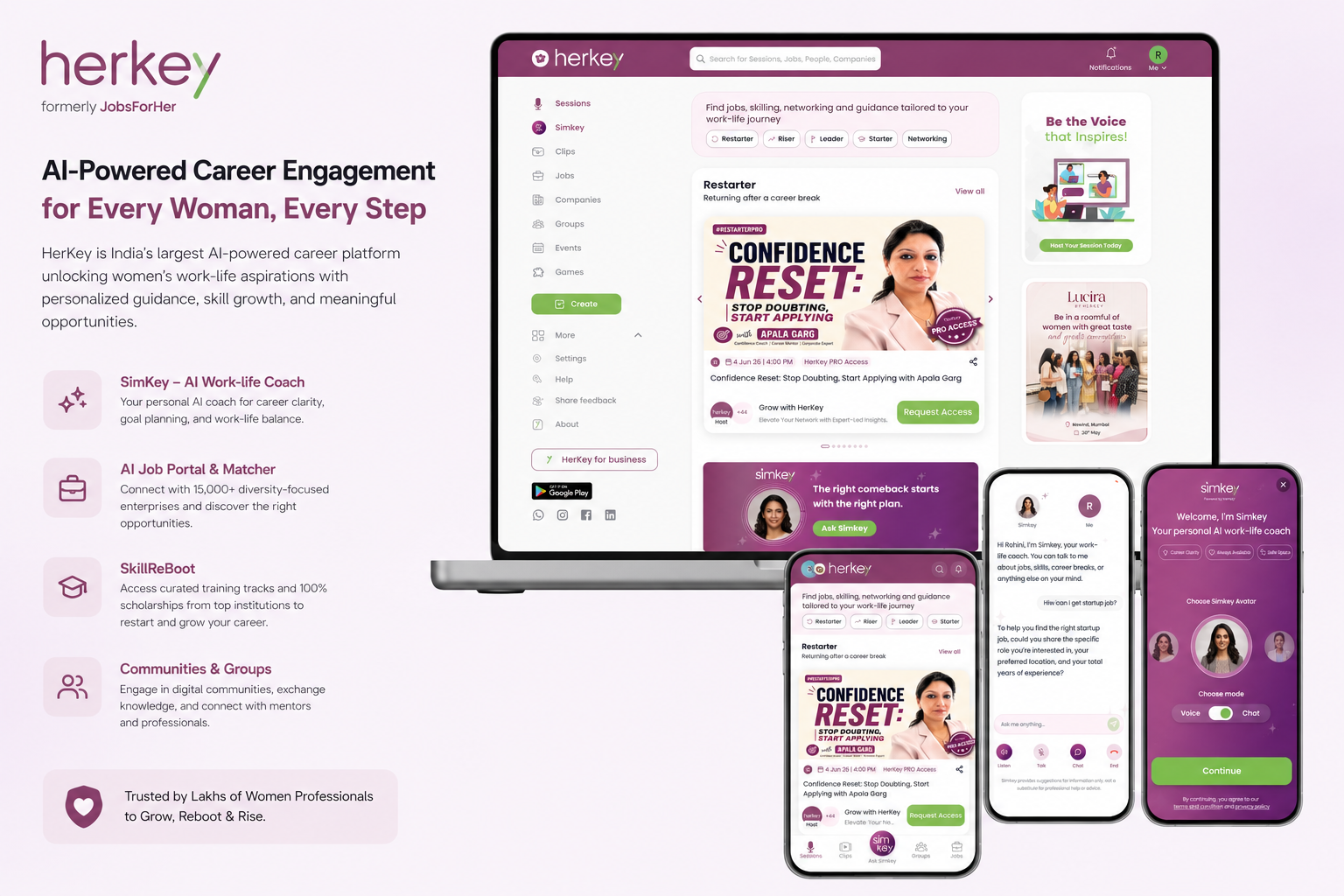
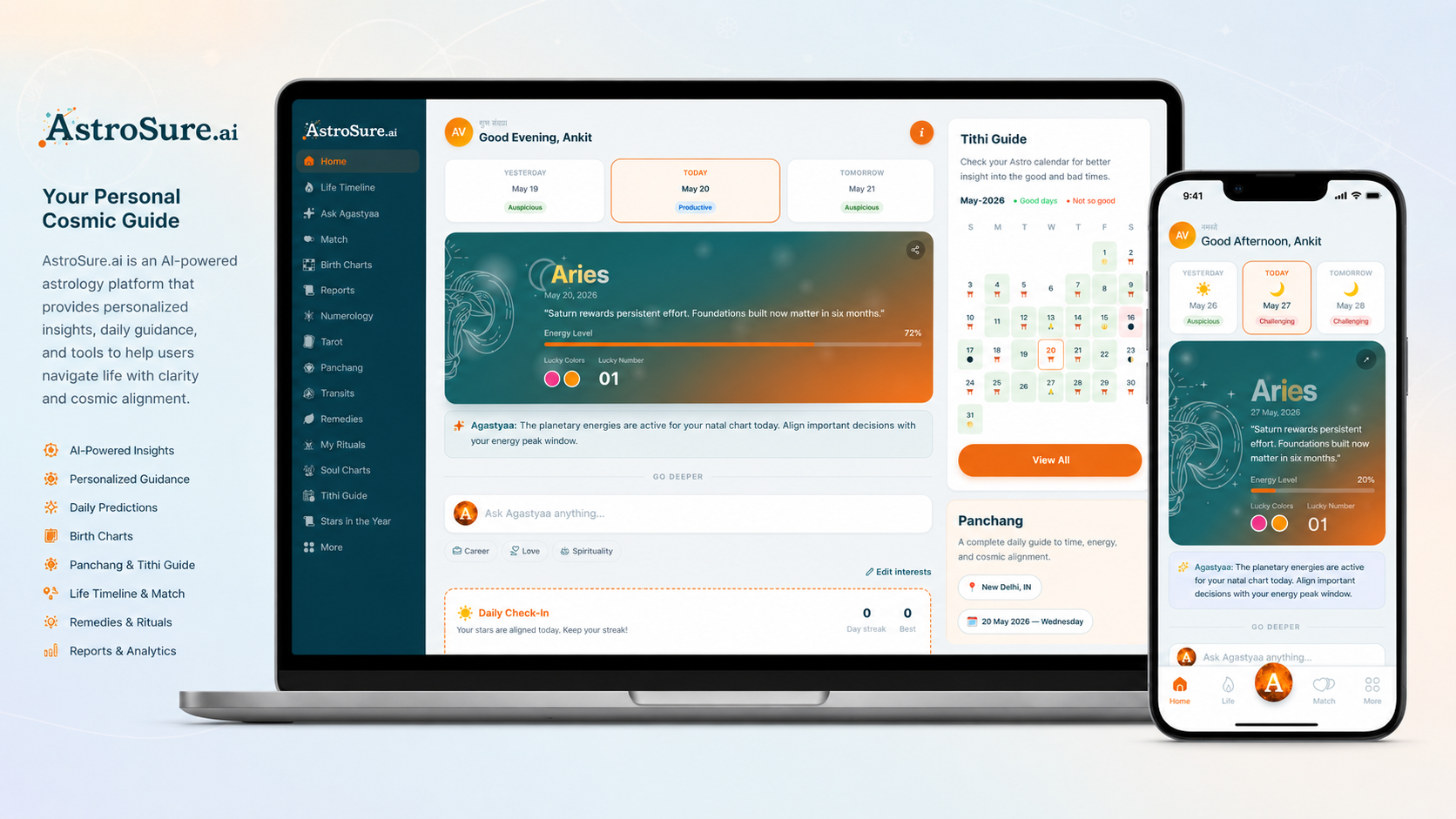
HerKey and AstroSure show production APIs with auth, webhooks, and mobile clients.
-
Worried about legacy migration
Case studies include platforms we inherited, audited, and extended - not greenfield only.
-
Need OpenAPI discipline
We document contracts and ship staging sandboxes before partners go live.

Engagement models for backend development
Backend engineers for API design, legacy cleanup, or squad extension with documented scope.
-
Fixed-scope project
Discovery, written requirements, and milestone billing. Best for MVPs, redesigns, and integrations with a defined end state.
- Duration: Phased milestones
- Working: Sprint plan agreed upfront
- Billing: Per milestone or phase
- Timeline: Based on signed scope
-
Dedicated squad
A focused engineering squad on your product: weekly demos, shared backlog, and one accountable team when scope evolves.
- Duration: 8 hrs/day · 5 days/week
- Working: ~160 hrs/month capacity
- Billing: Monthly invoice
- Timeline: Sprint-based delivery
-
Part-time retainer
Smaller monthly hour buckets for fixes, dependency updates, and enhancements, with the same engineers when possible.
- Duration: 4 hrs/day · 5 days/week
- Working: ~80 hrs/month
- Billing: Monthly retainer
- Timeline: Ongoing support window
Questions about backend development
What prospects ask on a first call about this service: scope, timelines, fit, and how we work.
- Scope & pricing
- Delivery process
- Handover & IP
- NDA & quality gates
5 questions
How do you approach backend architecture for a new product?
We model domains, auth, integrations, and data ownership first. Diagrams and written boundaries precede feature sprints.
Can you refactor a monolith without stopping feature work?
We strangle in slices: extract bounded contexts with contract tests so releases continue during migration.
What backend deliverables do we own after each milestone?
APIs, migrations, tests on critical paths, deploy scripts, and docs your next hire can follow.
How do you handle third-party API integrations?
Contract tests, sandbox credentials, and retry/idempotency patterns on staging before production traffic.
Fixed scope or squad model for backend teams?
Fixed milestones when requirements are bounded; dedicated squad when the backlog evolves weekly. Both use written scope and demo cadence.
Need backend engineering? Let's architect it.
Outline your frontend or mobile clients, expected traffic, and existing systems. We propose APIs, data models, and deploy paths that your team can own after handover.
- Python-first backends with clear ownership.
- Written scope before major build spend.