








AI Automation
Workflow automation with LLMs, logging, cost caps, and review UIs. Integrations with tools you already use.
View AI Automation service details
Product
Backend
Frontend
AI
Cloud
Care
AI & digital
Commerce & retail
Enterprise & HR
Hospitality & healthcare
Media & fintech
Credentials & field services
GPT · Embeddings · Tools
Ship ChatGPT-class features in your product, with auth, logging, and cost controls.
AI features need login, billing, and audit trails inside your product, not a public iframe anyone can abuse.
Usage must tie to tenant auth before you price the feature. We instrument spend per account from staging.
Rate limits, streaming errors, and context windows behave differently at scale. We harden on staging before launch.
Model routing and abstraction layers let you swap providers when pricing or policy changes, not rewrite the product.
Founder-led engineers in Surat (IST) with morning and end-of-day updates so distributed product owners stay in the loop.
Adding ChatGPT-style features to an existing product is a product decision, not a weekend hack. We wire completions, embeddings, and tool calling into your auth, billing, and logging, so you can ship AI without rebuilding the stack.
Founders come to us when their first integration worked in a notebook but broke under real users and token bills.
SaaS products adding AI features without rebuilding the entire stack.
Completions, embeddings, and tool calling ship behind your existing auth and billing. Support teams get review UI before customers see fully autonomous outputs.
We cap tokens, log requests, and route models by task before finance gets surprised. Vendor-agnostic interfaces keep you flexible when OpenAI pricing or policy shifts.
Vertical experience from shipped products, not generic claims.
Six reasons founders and product leads pick us over a generalist shop - scoped to how we deliver this engagement.
AI inside login, billing, and audit trails, not a public widget.
We fix what breaks under real users and finance scrutiny.
Caps and alerts before marketing turns the feature on.
Clear upgrade path when document volume outgrows simple completions.
Golden sets and abstain rules before real users hit the feature.
CRM, docs, and tickets - not a standalone chat box nobody adopts.
How we ship OpenAI features inside existing SaaS products.
We document inputs, outputs, escalation paths, and data boundaries before any model keys go live. Cost caps and human review rules agreed in writing, not as a post-launch patch.
Model routing, retrieval strategy, golden test sets, and per-tenant spend limits defined upfront. Evaluation criteria signed off before pilot traffic hits staging.
Human-in-the-loop UI, logging, and token budgets on staging - real CRM, docs, and ticket integrations. Not notebook demos that break when production traffic arrives.
Abstain rules, fallback models, rate limits, and audit trails reviewed with your team. Failure modes and escalation paths tested before full rollout.
We document inputs, outputs, escalation paths, and data boundaries before any model keys go live. Cost caps and human review rules agreed in writing, not as a post-launch patch.
Model routing, retrieval strategy, golden test sets, and per-tenant spend limits defined upfront. Evaluation criteria signed off before pilot traffic hits staging.
Human-in-the-loop UI, logging, and token budgets on staging - real CRM, docs, and ticket integrations. Not notebook demos that break when production traffic arrives.
Abstain rules, fallback models, rate limits, and audit trails reviewed with your team. Failure modes and escalation paths tested before full rollout.
Tools and runtimes we use on this type of engagement - chosen for production delivery, not slide-deck logos.
Human escalation UI for high-stakes model outputs.
Token spend and error rates visible to your team.
Fast loop when models drift or integrations fail.
Golden questions updated as product scope evolves.
Model routes and prompt versions toggled without redeploying the whole app. Roll back a bad prompt in minutes, not hours.
Per-tenant and global token limits enforced before production traffic. Finance sees dashboards, not surprise invoices.
Prompt and tool-call history retained per your policy and NDA. Retention windows and redaction rules documented at launch.
Human approval on outputs above your risk threshold. Escalation UI wired before autonomous paths go live.
Metrics from shipped products and active engagements - not slide-deck claims.
Real products we shipped for founders in the US, UK, and Europe.
Ops and product leaders want evidence we ship LLM features with guardrails - logging, cost caps, and human review - not notebook demos.
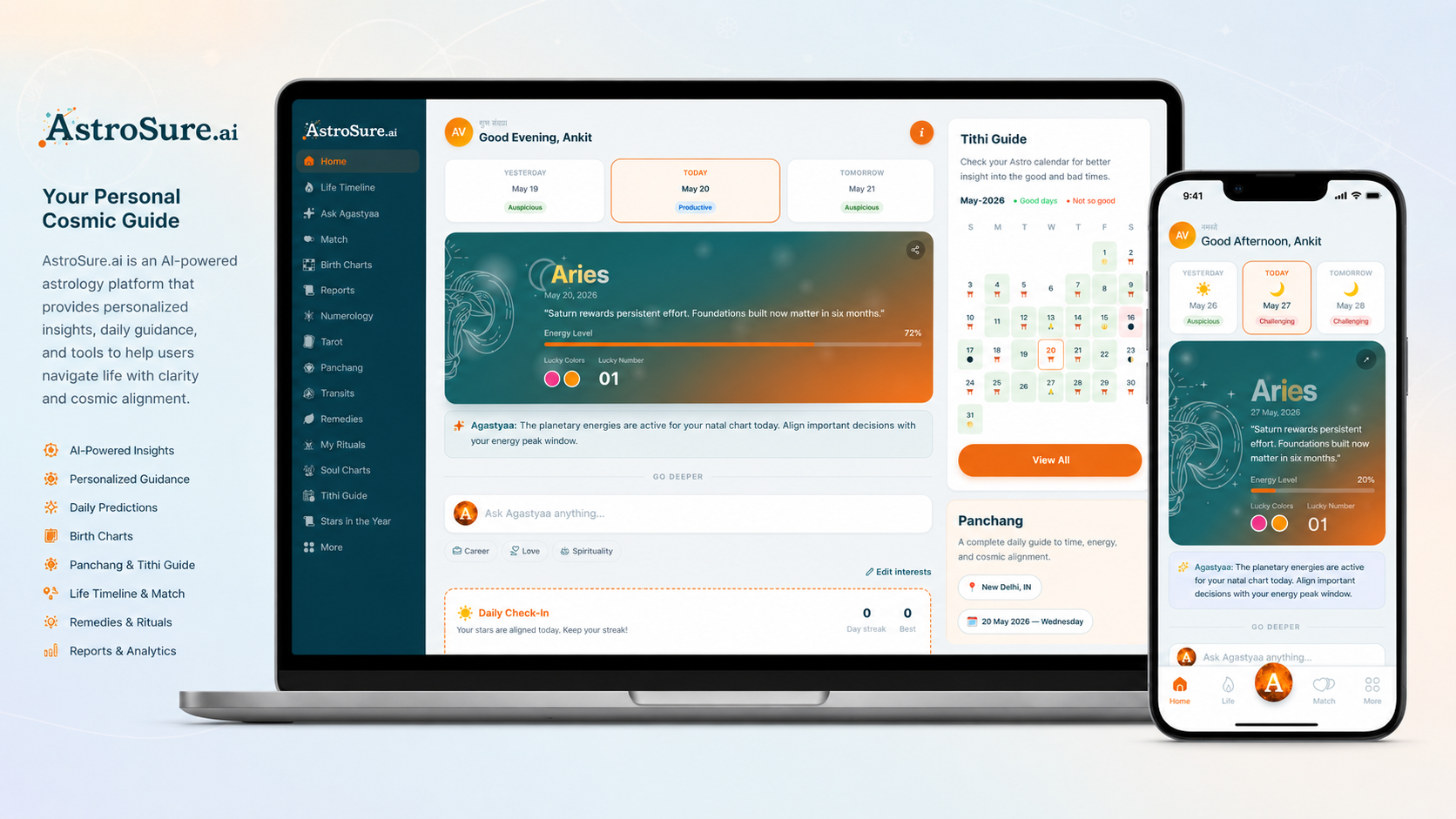
AstroSure shows LLM features with structured data, review paths, and cost controls.
We ship token budgets and logging before real users - patterns reused below.
Case studies include escalation UI and audit trails, not fully autonomous agents.
Add OpenAI features to your SaaS with milestone billing and per-tenant cost controls in scope.
Discovery, written requirements, and milestone billing. Best for MVPs, redesigns, and integrations with a defined end state.
A focused engineering squad on your product: weekly demos, shared backlog, and one accountable team when scope evolves.
Smaller monthly hour buckets for fixes, dependency updates, and enhancements, with the same engineers when possible.
What prospects ask on a first call about this service: scope, timelines, fit, and how we work.
5 questions
We treat model output as untrusted input: validation, logging, cost caps, and staging parity before production keys go live.
Usually yes. We add API routes, UI surfaces, and background jobs around your current auth and billing.
We map data flows in discovery, redact or block fields where required, and document retention for your compliance review.
We abstract model calls, log token usage, and document swap paths so you are not locked to one model ID.
We run golden-set checks and failure sampling on staging so you know quality before marketing pushes traffic.
Share your use cases, data sensitivity, and expected volume. We'll plan prompts, fallbacks, rate limits, and staging evals before users hit production.