









Python Development
Production Python backends, scripts, and data pipelines for US, UK and European startups. Django, FastAPI, audits, and maintainable code.
View Python Development service details
Product
Backend
Frontend
AI
Cloud
Care
AI & digital
Commerce & retail
Enterprise & HR
Hospitality & healthcare
Media & fintech
Credentials & field services
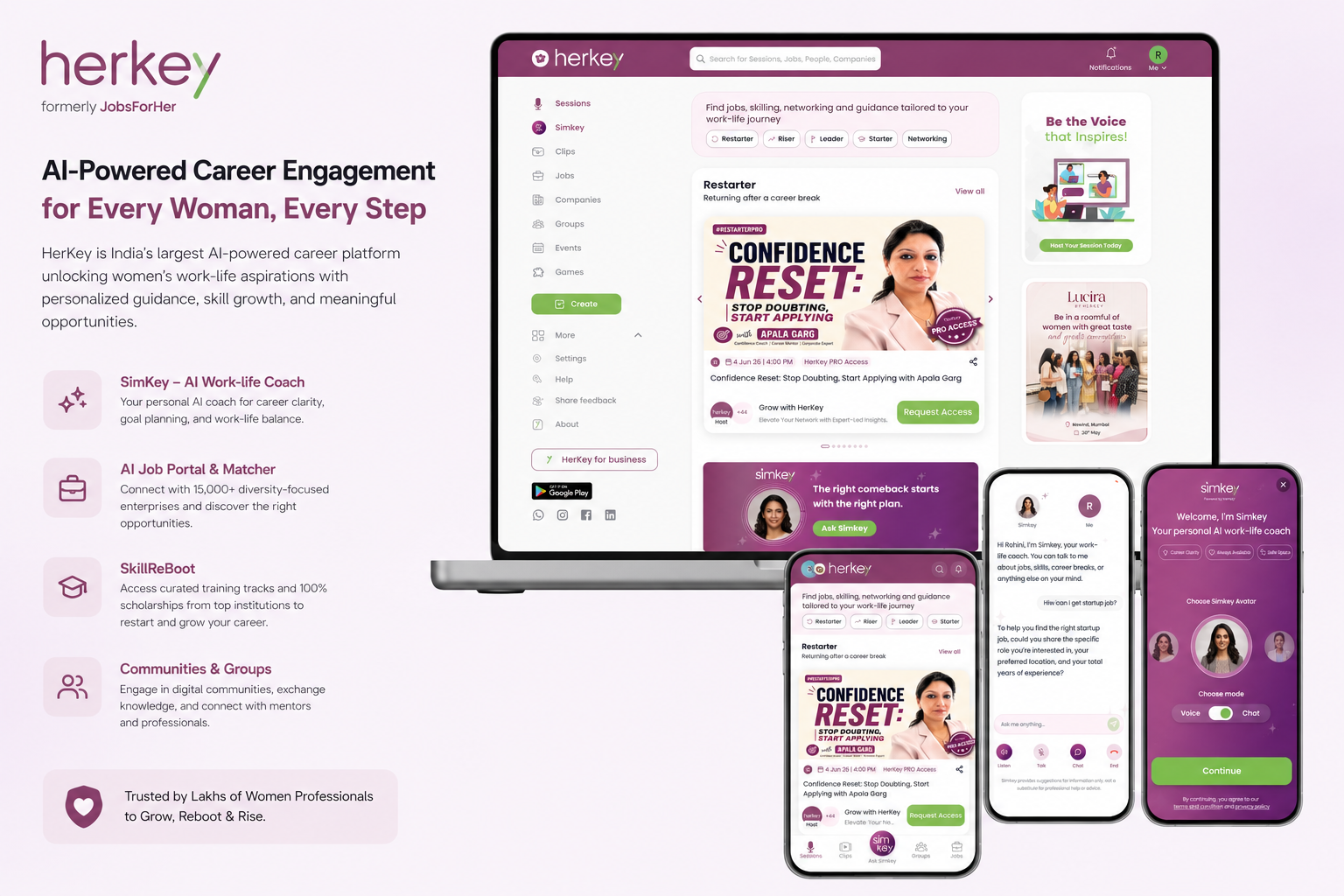
Portals · Dashboards
Customer portals, dashboards, and internal tools, secure, responsive, built to last.
Internal tools need role-based views and audit trails, not another shared Google Sheet with fragile formulas.
Multi-tenant B2B portals need explicit authorization tests on staging, not boolean flags added per feature.
Adoption fails when loading states, errors, and mobile layouts are afterthoughts. We design flows ops teams will actually open daily.
Webhooks, CRM sync, and identity providers need contract tests and staging parity before production traffic.
Founder-led engineers in Surat (IST) with morning and end-of-day updates so distributed product owners stay in the loop.
Web applications, customer portals, partner dashboards, internal ops tools, are where most of our portfolio lives. We build for browsers first, mobile-responsive, with auth and audit trails baked in.
If your users live in Chrome eight hours a day, the UI deserves engineering attention, not a template.
Teams replacing spreadsheets and email chains with software their staff actually uses.
Web applications fail when admin and customer views share no design system. We build responsive portals with real empty states, export paths, and permission-aware navigation.
Portals rarely stand alone. We wire Stripe billing, CRM sync, and SSO with documented webhooks and failure alerts so ops is not guessing why a record did not update.
Vertical experience from shipped products, not generic claims.
Six reasons founders and product leads pick us over a generalist shop - scoped to how we deliver this engagement.
Logged-in users changing data, not brochure pages.
HTTPS, CSRF hygiene, secrets in vaults, OWASP-minded reviews.
Payment and CRM hooks on staging before go-live.
Dashboards engineered for eight-hour daily use.
We optimize for the engineer who inherits the codebase in three years.
Fixed phases or monthly retainers, no surprise hours on the invoice.
How we ship browser apps with auth, roles, and integrations.
We map goals, constraints, integrations, and non-goals in writing - not a slide deck. Mutual NDA before sensitive details; if we are not the right fit, we say so before sprint one.
Written v1 boundaries, data model sketch, stack choices, and integration list agreed upfront. You get milestone owners, staging plan, and definition of done before the first sprint ends.
Repository access, CI pipeline, and a demo environment your stakeholders can click through early. Auth, billing, and partner integrations mapped before feature work spreads across the backlog.
Weekly staging demos, tests on auth and payment paths, and direct engineer access on Slack. Scope changes are fine - surprise scope without trade-off talk is not.
We map goals, constraints, integrations, and non-goals in writing - not a slide deck. Mutual NDA before sensitive details; if we are not the right fit, we say so before sprint one.
Written v1 boundaries, data model sketch, stack choices, and integration list agreed upfront. You get milestone owners, staging plan, and definition of done before the first sprint ends.
Repository access, CI pipeline, and a demo environment your stakeholders can click through early. Auth, billing, and partner integrations mapped before feature work spreads across the backlog.
Weekly staging demos, tests on auth and payment paths, and direct engineer access on Slack. Scope changes are fine - surprise scope without trade-off talk is not.
Tools and runtimes we use on this type of engagement - chosen for production delivery, not slide-deck logos.
Direct channel with engineers, responses within one business day.
PR reviews, CI status, and shared backlog visibility.
Staging walkthroughs on a cadence agreed at kickoff.
Sprint board agreed with your product owner.
Automated tests before merge and promote to staging. pytest on auth and billing paths; lint and type checks on every PR.
Environment layout, secrets, and queue topology mirror production before go-live. Integration tests run against staging data that resembles real usage.
Documented revert steps and database rollback scripts - not improvised during an incident. Your on-call can follow the runbook without calling us first.
Alerts, logs, and error budgets discussed before traffic hits production. We wire dashboards your team can read after handover.
Metrics from shipped products and active engagements - not slide-deck claims.
Real products we shipped for founders in the US, UK, and Europe.
Before we scope your build, founders ask whether we have shipped products like theirs - with real auth, billing, and a team still maintaining the codebase.
You need proof we ship maintainable products founders still run in year three.
These are live products with staging URLs - not mockups or slide decks.
Multi-role platforms, admin tools, and partner integrations are documented below.
Web application builds with fixed scope after discovery or ongoing squad for evolving portals.
Discovery, written requirements, and milestone billing. Best for MVPs, redesigns, and integrations with a defined end state.
A focused engineering squad on your product: weekly demos, shared backlog, and one accountable team when scope evolves.
Smaller monthly hour buckets for fixes, dependency updates, and enhancements, with the same engineers when possible.
What prospects ask on a first call about this service: scope, timelines, fit, and how we work.
5 questions
Web apps include auth, roles, data persistence, and integrations. We scope product flows, not just pages.
Session or token auth done right, CSRF where needed, input validation, and secrets out of client bundles.
We strangle features behind feature flags or subdomains so users are not forced into a big-bang cutover.
Stripe, CRM, email, SSO, and webhooks, each tested on staging with failure handling documented.
Production deploy, monitoring hooks, admin access, user docs if needed, and optional support window.
Share user roles, integrations, and what success looks like at 90 days. We propose a web app architecture you can scale without rewriting in year two.
