


Retainer · SLA
Ongoing Support & Maintenance
Retainers for fixes, dependency updates, and engineers who know your codebase.
- CVE patches, broken crons, and SSL expiry handled on schedule.
- Named engineer when possible on retainers.
- Agreed response windows in writing.
- Same team that built it when we can.
- Predictable monthly hours versus emergency invoices.


What we deliver for ongoing support & maintenance
Core deliverables
- Monthly hour buckets
- CVE & dependency patches
- Small enhancements
- Monitoring tweaks
- Same engineers when possible
Why teams choose this engagement
- Structured discovery workshops and requirements docs
- Test plans and automated regression suites
- Retainer hours with defined response windows
- Technical SEO and performance fixes on live stacks
Problems we solve in ongoing support & maintenance
-
Original agency vanished after launch
Bus factor hits when nobody knows the deploy path. We onboard with audit docs before promising retainer SLAs.
-
CVE patches deferred until headlines
Dependency rot creates fire drills. We schedule patches and verify on staging before production.
-
Anonymous ticket queue
Founders need named engineers when possible, not a new contact every week. Retainer SOWs define ownership.
-
Small fixes billed as emergency projects
Without monthly buckets and scope boundaries, support costs spike. We write in/out of retainer hours upfront.
How we build ongoing support & maintenance
Founder-led engineers in Surat (IST) with morning and end-of-day updates so distributed product owners stay in the loop.
Software rots without maintenance: dependency CVEs, broken cron jobs, SSL expiry. Our retainers cover planned hours for fixes, small features, and someone who knows your codebase when production blinks.
US and UK clients often keep us on a monthly bucket after the initial build, same engineers when possible.
Live products without in-house ops or maintenance capacity.
Engineers who know your stack
Support retainers work when the same team that built it can patch, upgrade, and tune monitoring. We onboard foreign repos with deploy and risk docs before accepting SLA promises.
- Named engineer when possible on monthly buckets
- Agreed response windows in writing
- CVE and dependency cadence on schedule
After launch, we stay
Retainers cover fixes, small enhancements, and monitoring tweaks within SOW hours. Escalation paths for production incidents are documented, not improvised in Slack.
- Monthly summary of work and upcoming risks
- Staging verification before production patches
- Mutual NDA before production credentials

Where we apply ongoing support & maintenance
Vertical experience from shipped products, not generic claims.
Why teams choose us for ongoing support & maintenance
Six reasons founders and product leads pick us over a generalist shop - scoped to how we deliver this engagement.
-
Codebase continuity
We onboard before promising SLAs on foreign repos.
-
Scheduled dependency work
Not only when CVE hits the news.
-
Small enhancements in scope
Bugs, deps, monitoring tweaks within SOW hours.
-
US and UK retainers
Monthly buckets after initial build are common.
-
QA as release gates
Automated regression on critical paths, not manual-only before every deploy.
-
Continuity matters
Same team that built it when we can - context saves time and mistakes.
Is this for you?
Good fit
- You have live users and no in-house ops team.
- You want SLA response times in writing.
- You prefer predictable monthly cost over emergency invoices.
- Live users depend on the product and you lack in-house ops.
- You want SLA response windows documented in the retainer.
- You prefer predictable monthly cost over emergency invoices.
Probably not
- You want unlimited scope for a fixed tiny fee.
- You will not grant staging access or decision-makers.
- You want unlimited scope for a very small fixed monthly fee.
- You will not grant staging access or a decision-maker on calls.
- You need 24/7 dedicated staff for startup retainer pricing.
Delivery process for ongoing support & maintenance
How we keep production systems patched, monitored, and supported after launch.
Written scope, response windows, access checklist, and NDA before repository changes. Severity definitions and communication channel agreed with your product owner.
We audit dependencies, test coverage, and critical user paths on your live or staging stack. Baseline report ranks risks so patch and release work targets what matters.
Patch schedule, release gates, and named engineers when possible on your thread. Regression expectations documented before the first production push.
Changes on branches with PR review, staging verification, and concise status updates. Hotfix lane documented separately from scheduled releases.
-
Onboarding audit
Written scope, response windows, access checklist, and NDA before repository changes. Severity definitions and communication channel agreed with your product owner.
-
Retainer SOW
We audit dependencies, test coverage, and critical user paths on your live or staging stack. Baseline report ranks risks so patch and release work targets what matters.
-
Rhythm
Patch schedule, release gates, and named engineers when possible on your thread. Regression expectations documented before the first production push.
-
Escalation
Changes on branches with PR review, staging verification, and concise status updates. Hotfix lane documented separately from scheduled releases.
Stack for ongoing support & maintenance
Tools and runtimes we use on this type of engagement - chosen for production delivery, not slide-deck logos.
- Python
- Django
- PostgreSQL
- Docker



How we work on ongoing support & maintenance
-
Ticket triage
Prioritized queue with severity and response targets.
-
Patch cadence
Dependency updates on a schedule you approve.
-
Retainer channel
Named engineer when possible on your thread.
-
Discovery sessions
Workshops recorded with written outputs.
Production discipline for ongoing support & maintenance
-
Release gates
Regression suite green before every production push. Critical user paths automated; manual-only checks called out in writing.
-
Hotfix path
Documented fast lane for critical production fixes with post-incident review. Separate from scheduled patch cadence so emergencies do not skip tests entirely.
-
CVE response
Patch, test on staging, then promote with notice to your team. Severity-based response windows agreed in the retainer scope.
-
SEO deploy checks
Canonicals, redirects, and sitemap updates verified after go-live. Staging crawl checks before production when technical SEO is in scope.
Track record from ongoing support & maintenance
Metrics from shipped products and active engagements - not slide-deck claims.
- 40+
- Retainers and QA engagements
- SLA
- Response windows in writing
- IST
- Morning & EOD sync
- Same team
- When continuity allows
Proof from ongoing support & maintenance
Real products we shipped for founders in the US, UK, and Europe.
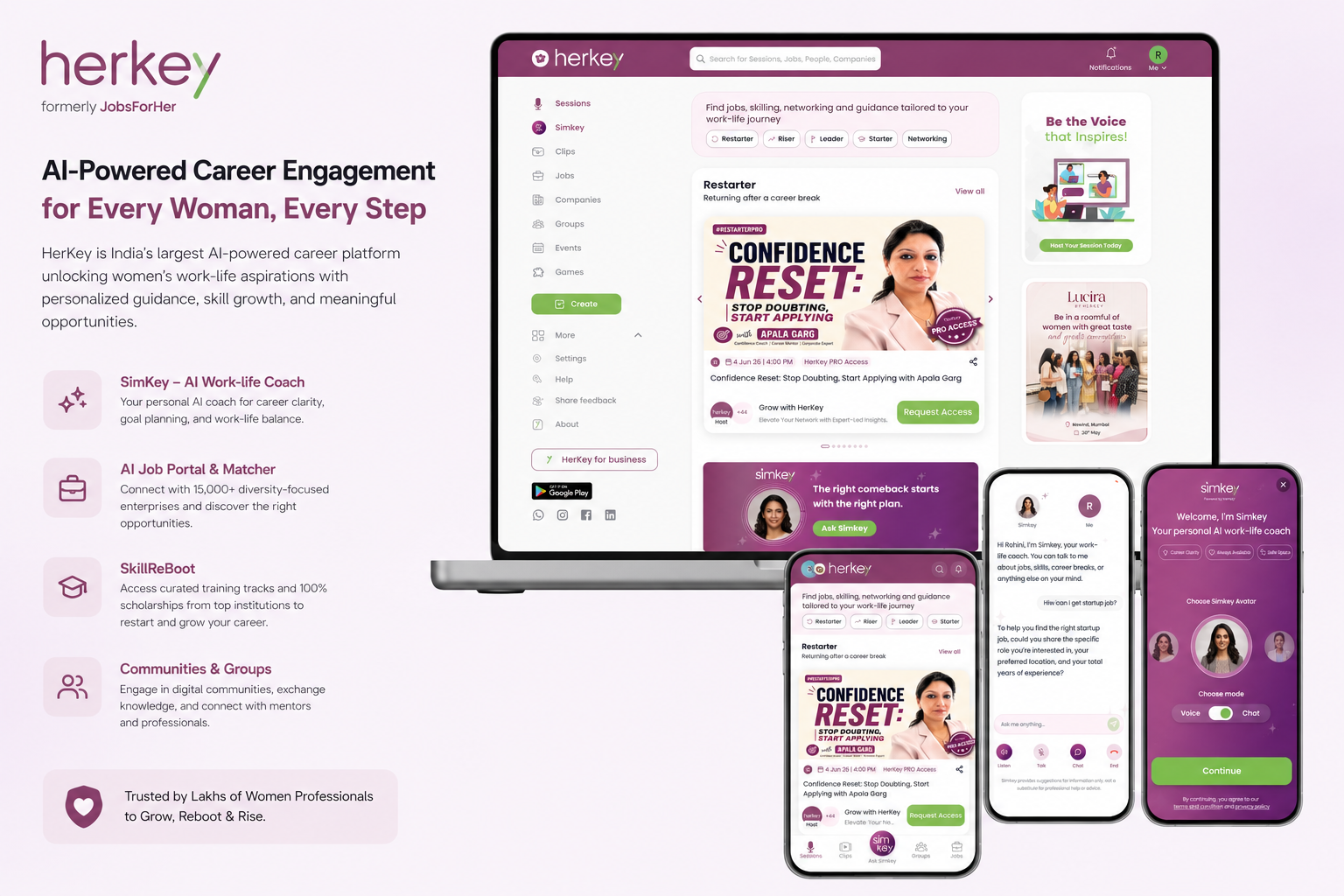
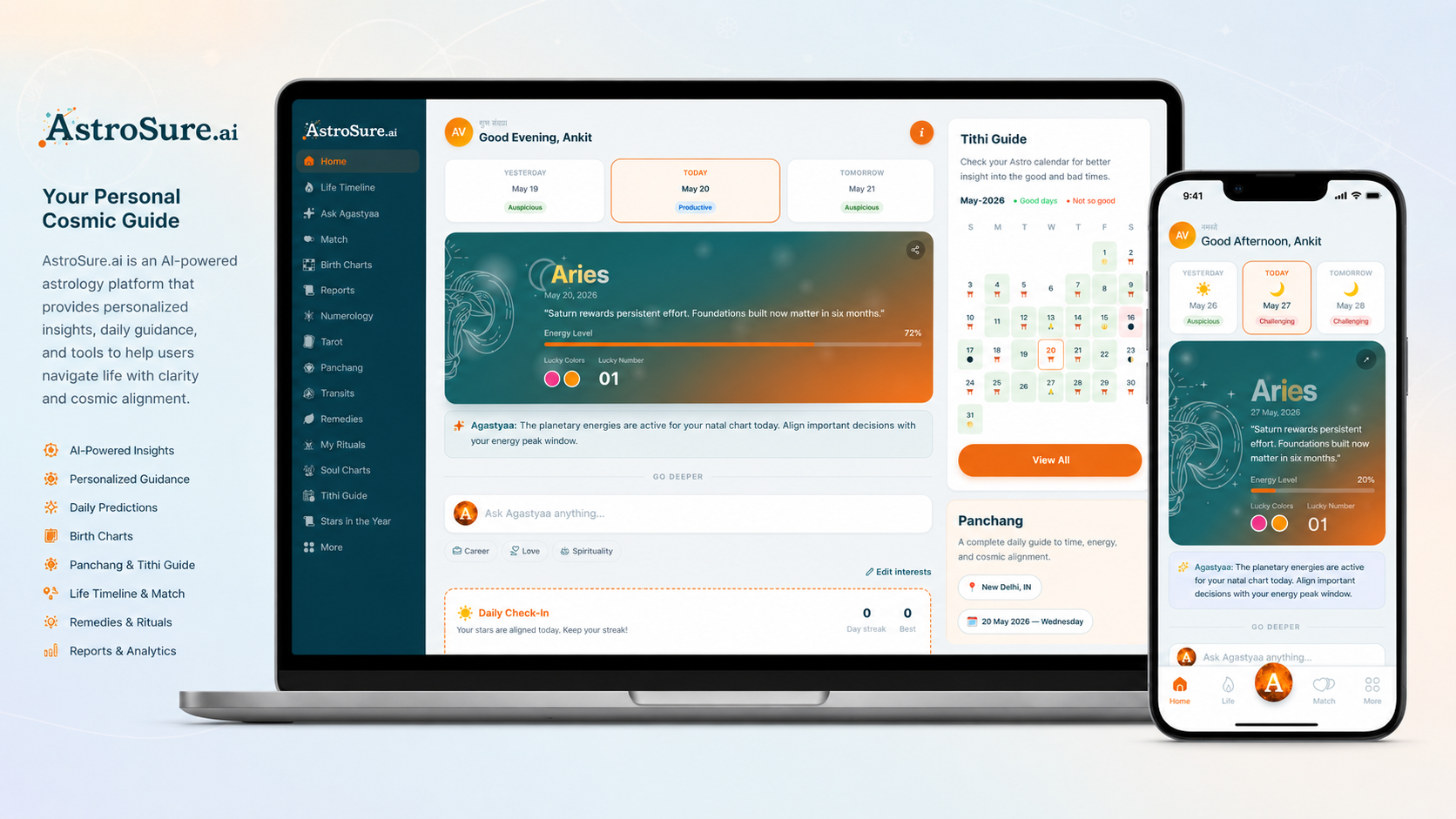
Teams hiring for support or QA ask whether we stay after launch - with written SLAs, regression gates, and engineers who know the codebase.
-
Original agency disappeared
We offer retainers with engineers who know the stack - continuity in the cases below.
-
Regressions slip to production
QA engagements include automated gates on critical paths before release.
-
SEO dropped after a redesign
Technical SEO work includes crawl fixes and CWV on live Django stacks.
Engagement models for ongoing support & maintenance
Ongoing support via monthly retainer buckets with written response windows and named engineers.
-
Fixed-scope project
Discovery, written requirements, and milestone billing. Best for MVPs, redesigns, and integrations with a defined end state.
- Duration: Phased milestones
- Working: Sprint plan agreed upfront
- Billing: Per milestone or phase
- Timeline: Based on signed scope
-
Dedicated squad
A focused engineering squad on your product: weekly demos, shared backlog, and one accountable team when scope evolves.
- Duration: 8 hrs/day · 5 days/week
- Working: ~160 hrs/month capacity
- Billing: Monthly invoice
- Timeline: Sprint-based delivery
-
Part-time retainer
Smaller monthly hour buckets for fixes, dependency updates, and enhancements, with the same engineers when possible.
- Duration: 4 hrs/day · 5 days/week
- Working: ~80 hrs/month
- Billing: Monthly retainer
- Timeline: Ongoing support window
Questions about ongoing support & maintenance
What prospects ask on a first call about this service: scope, timelines, fit, and how we work.
- Scope & pricing
- Delivery process
- Handover & IP
- NDA & quality gates
5 questions
What is included in a support retainer versus ad-hoc hours?
Retainers reserve capacity, response targets, and the same engineers when possible. Ad-hoc suits sporadic fixes.
Can you support code another agency wrote?
After audit, yes. We document risks upfront and will not promise SLAs until we understand the codebase.
How do you handle dependency and security updates?
Scheduled batches with tests on staging, changelog notes, and deploy windows agreed with your team.
Do you provide SLA response times?
We agree realistic targets after onboarding based on stack complexity and hours purchased.
Can support scale up during a launch window?
Yes with advance notice. We add hours or temporary coverage for defined dates in the contract.
Need a maintenance partner? Let's set a retainer.
Describe your stack, incident history, and monthly hour budget. We propose SLA tiers with the same engineers who know your codebase when possible.
- CVE patches, monitoring, and small features.
- Predictable monthly buckets - no surprise invoices.
