
Scale · Teams · Deploy
Microservices Architecture
Split monoliths with observability and rollback plans, when scale and team boundaries demand it.
- Split monoliths when team boundaries or deploy cadence demand it.
- Observability, contract tests, and rollback on every split.
- Modular monolith when pain is not yet measurable.
- Kubernetes only when traffic and ops maturity justify it.
- No conference-slide architecture for five-person teams.

What we deliver for microservices architecture
Core deliverables
- Service boundary design
- Contract testing
- Distributed tracing
- Event-driven patterns
- Gradual extraction roadmaps
Why teams choose this engagement
- REST or GraphQL APIs with OpenAPI documentation
- Authentication, authorization, and admin interfaces
- Database design, migrations, and backup strategy
- Integration with payments, CRM, and third-party APIs
Problems we solve in microservices architecture
-
Distributed monolith with network calls
Splitting too early creates latency and debugging nightmares. We extract services when team boundaries or scale demand it, not because slides say microservices.
-
No tracing across service boundaries
Incidents stall when logs do not share trace IDs. We wire distributed tracing before traffic moves to split deploys.
-
Contract tests missing between teams
Independent deploys break consumers silently. Consumer-driven contract tests run in CI before promotion.
-
Rollback impossible after partial deploy
Multi-service releases need documented rollback order and feature flags. We plan promotion paths on staging first.
How we build microservices architecture
Founder-led engineers in Surat (IST) with morning and end-of-day updates so distributed product owners stay in the loop.
Microservices are a scaling tool, not a religion. We split monoliths when team boundaries or deploy cadence demand it, not because a conference slide said so.
Every split comes with observability, contract tests, and a rollback story.
Growing engineering orgs blocked by single deploy queues.
Split when evidence says so
We extract services from Django or monolith codebases in phases: boundary design, contract tests, and observability before you run five deploy pipelines.
- Service map tied to team ownership, not buzzwords
- Strangler patterns with rollback at each phase
- Event-driven paths only where sync calls hurt

Trace incidents across services
Microservices fail without shared tracing, health checks, and runbooks. We document on-call steps before production traffic crosses service boundaries.
- Distributed tracing and correlated logs in CI
- Contract tests between producers and consumers
- Staging promotion with parity checks per service

Where we apply microservices architecture
Vertical experience from shipped products, not generic claims.
Why teams choose us for microservices architecture
Six reasons founders and product leads pick us over a generalist shop - scoped to how we deliver this engagement.
-
Measure before split
We quantify deploy queue pain and ownership conflicts.
-
Tracing and contracts
Distributed debugging and consumer-driven tests from day one.
-
Rollback stories
Every extraction ships with a revert plan.
-
Honest monolith defense
Often the right answer until scale proves otherwise.
-
Handover that sticks
Deploy docs and dependency hygiene so your next hire is not blocked.
-
Structured daily updates
IST business hours with a morning check-in and EOD summary on your channel. Live sync calls scheduled at kickoff when you need them.
Is this for you?
Good fit
- Your deploy queue blocks multiple teams.
- Different components need different scaling profiles.
- You have operational maturity for distributed tracing.
- Deploy queues block multiple teams on one monolith.
- You have ops maturity for tracing and contract tests.
- Different components need independent scaling profiles.
Probably not
- You have five developers and no ops practice yet.
- You want microservices to avoid writing tests in a monolith.
- You have five developers and no ops practice yet.
- You want microservices to avoid writing tests in a monolith.
- You need a split before product-market fit is proven.
Delivery process for microservices architecture
How we evolve architecture without a big-bang rewrite.
We audit existing code or map greenfield requirements - auth, data boundaries, and partner integrations first. You leave with risk priorities ranked, not a generic rewrite quote.
OpenAPI specs, error shapes, pagination, and versioning strategy agreed before migrations ship. Mobile and partner teams integrate against contracts, not tribal knowledge.
PR-first delivery with CI on every merge, integration tests on webhooks and payments, and staging sandboxes. Admin and API changes stay in the same sprint rhythm when both exist.
Permission review, secrets rotation plan, and load checks on critical paths before production traffic. Backward-compatible schema changes with rollback scripts when data is involved.
-
Assess boundaries
We audit existing code or map greenfield requirements - auth, data boundaries, and partner integrations first. You leave with risk priorities ranked, not a generic rewrite quote.
-
Extract safely
OpenAPI specs, error shapes, pagination, and versioning strategy agreed before migrations ship. Mobile and partner teams integrate against contracts, not tribal knowledge.
-
Harden ops
PR-first delivery with CI on every merge, integration tests on webhooks and payments, and staging sandboxes. Admin and API changes stay in the same sprint rhythm when both exist.
-
Govern change
Permission review, secrets rotation plan, and load checks on critical paths before production traffic. Backward-compatible schema changes with rollback scripts when data is involved.
Stack for microservices architecture
Tools and runtimes we use on this type of engagement - chosen for production delivery, not slide-deck logos.
- Python
- Docker
- Kubernetes
- PostgreSQL
- Redis





How we work on microservices architecture
-
PR-first delivery
Every change reviewed with CI status visible to your team.
-
OpenAPI specs
Contract updates published when endpoints change.
-
Staging data
Realistic fixtures for integration testing before prod.
-
Direct access
Engineers on Slack, not account-manager relay.
Production discipline for microservices architecture
-
Auth hardening
Secrets rotation and permission checks before scale. Least-privilege service accounts; no shared production keys in chat.
-
Migration safety
Backward-compatible schema changes with rollback scripts tested on staging. Long migrations run in phases, not as a Friday surprise.
-
Webhook reliability
Retries, idempotency keys, and partner sandbox tests before production traffic. Dead-letter handling documented for failed deliveries.
-
Blue/green or canary
Promotion strategy matched to your traffic profile and risk tolerance. Smoke tests gate every promote step.
Track record from microservices architecture
Metrics from shipped products and active engagements - not slide-deck claims.
- 40+
- APIs and backends shipped
- OpenAPI
- Contracts on every engagement
- IST
- Morning & EOD sync
- NDA
- Before repository access
Proof from microservices architecture
Real products we shipped for founders in the US, UK, and Europe.
Technical buyers want proof we ship APIs partners can integrate - with OpenAPI docs, staging sandboxes, and production systems still running in year three.
-
Partners can't integrate our API
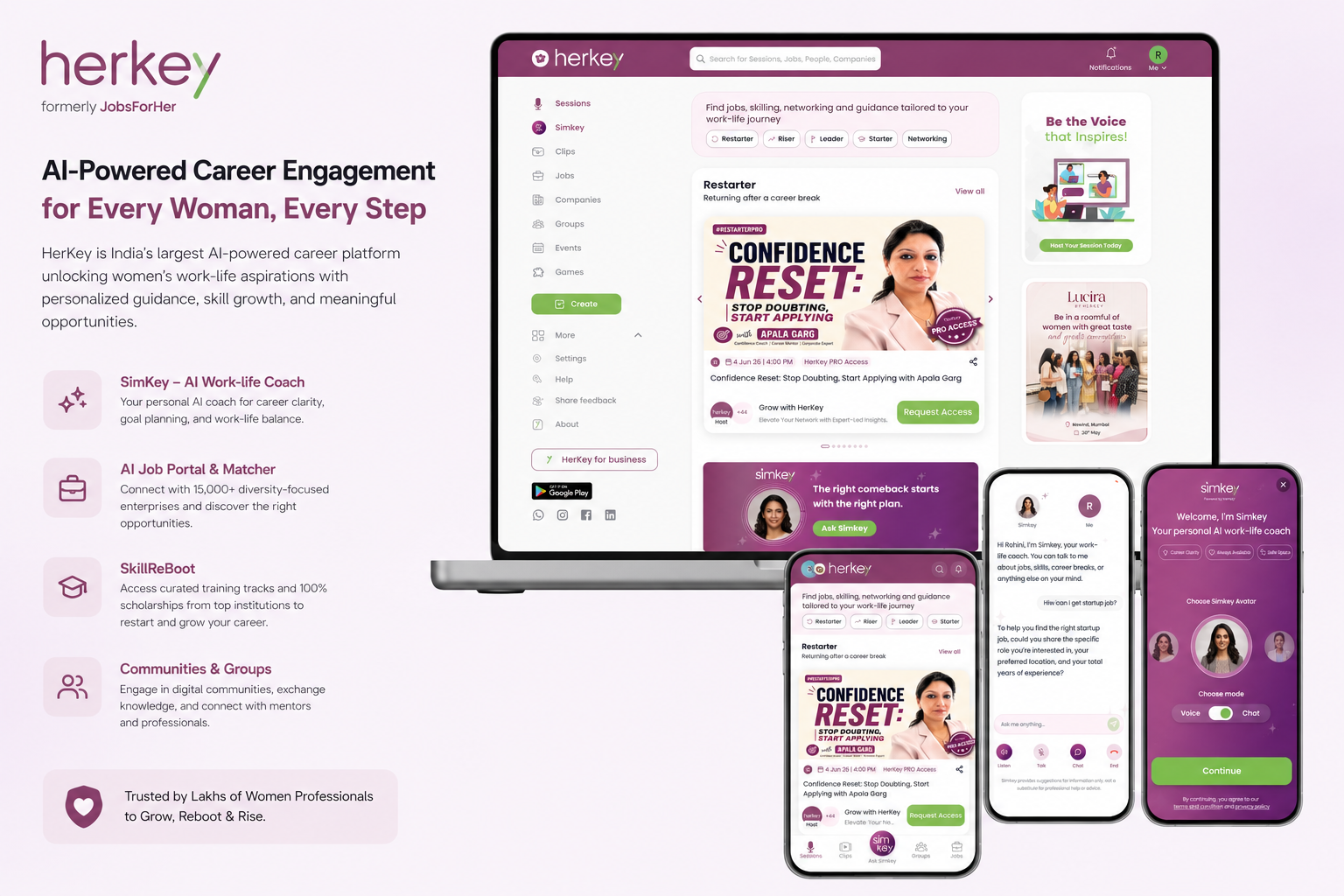
HerKey and AstroSure show production APIs with auth, webhooks, and mobile clients.
-
Worried about legacy migration
Case studies include platforms we inherited, audited, and extended - not greenfield only.
-
Need OpenAPI discipline
We document contracts and ship staging sandboxes before partners go live.

Engagement models for microservices architecture
Architecture engagements for modular monoliths, service extraction, or platform squads with phased billing.
-
Fixed-scope project
Discovery, written requirements, and milestone billing. Best for MVPs, redesigns, and integrations with a defined end state.
- Duration: Phased milestones
- Working: Sprint plan agreed upfront
- Billing: Per milestone or phase
- Timeline: Based on signed scope
-
Dedicated squad
A focused engineering squad on your product: weekly demos, shared backlog, and one accountable team when scope evolves.
- Duration: 8 hrs/day · 5 days/week
- Working: ~160 hrs/month capacity
- Billing: Monthly invoice
- Timeline: Sprint-based delivery
-
Part-time retainer
Smaller monthly hour buckets for fixes, dependency updates, and enhancements, with the same engineers when possible.
- Duration: 4 hrs/day · 5 days/week
- Working: ~80 hrs/month
- Billing: Monthly retainer
- Timeline: Ongoing support window
Questions about microservices architecture
What prospects ask on a first call about this service: scope, timelines, fit, and how we work.
- Scope & pricing
- Delivery process
- Handover & IP
- NDA & quality gates
5 questions
When do you recommend microservices versus staying monolithic?
When team boundaries, scale, or deploy independence justify ops cost. We push back if a monolith still fits.
How do you split a monolith without a big-bang rewrite?
Extract one bounded context at a time with contract tests and shared observability.
Do you use Kubernetes for every microservices project?
No. We right-size orchestration to traffic and team maturity; sometimes managed services beat self-run clusters.
How do services discover and authenticate each other?
Documented service mesh or gateway patterns, mTLS or token auth, and no hard-coded secrets in repos.
What architecture docs do we receive?
Context diagrams, service ownership map, deploy order, and failure modes for cross-service calls.
Outgrowing the monolith? Let's split wisely.
Share pain points - deploy coupling, team boundaries, or scale limits. We plan strangler migrations and service boundaries without a risky big-bang rewrite.
- Incremental extraction - not resume-driven microservices.
- API contracts between teams documented.