

Key takeaways
- Prefer managed product teams over anonymous staff aug for most startups
- Insist on your repos, CI, and visible team members from week one
- Agree on daily update rhythm and live call windows before signing
- Paid discovery weeks reveal more than portfolio screenshots
- Compare cost per shipped milestone not hourly rate alone
- Treat offshore engineers as partners share customer context with them
Article content
The offshore hiring decision US and UK startups face
Hiring a development team in India is no longer exotic - it is a standard lever for startups stretching runway while accessing strong engineering talent. It is also a decision fraught with horror stories: disappearing agencies, code that cannot be maintained, and timezone gaps that stall sprints. SparkScribe works exclusively with US and UK clients from India; this article shares how we structure partnerships that feel like an extension of your product team, not a black box vendor.
What good looks like
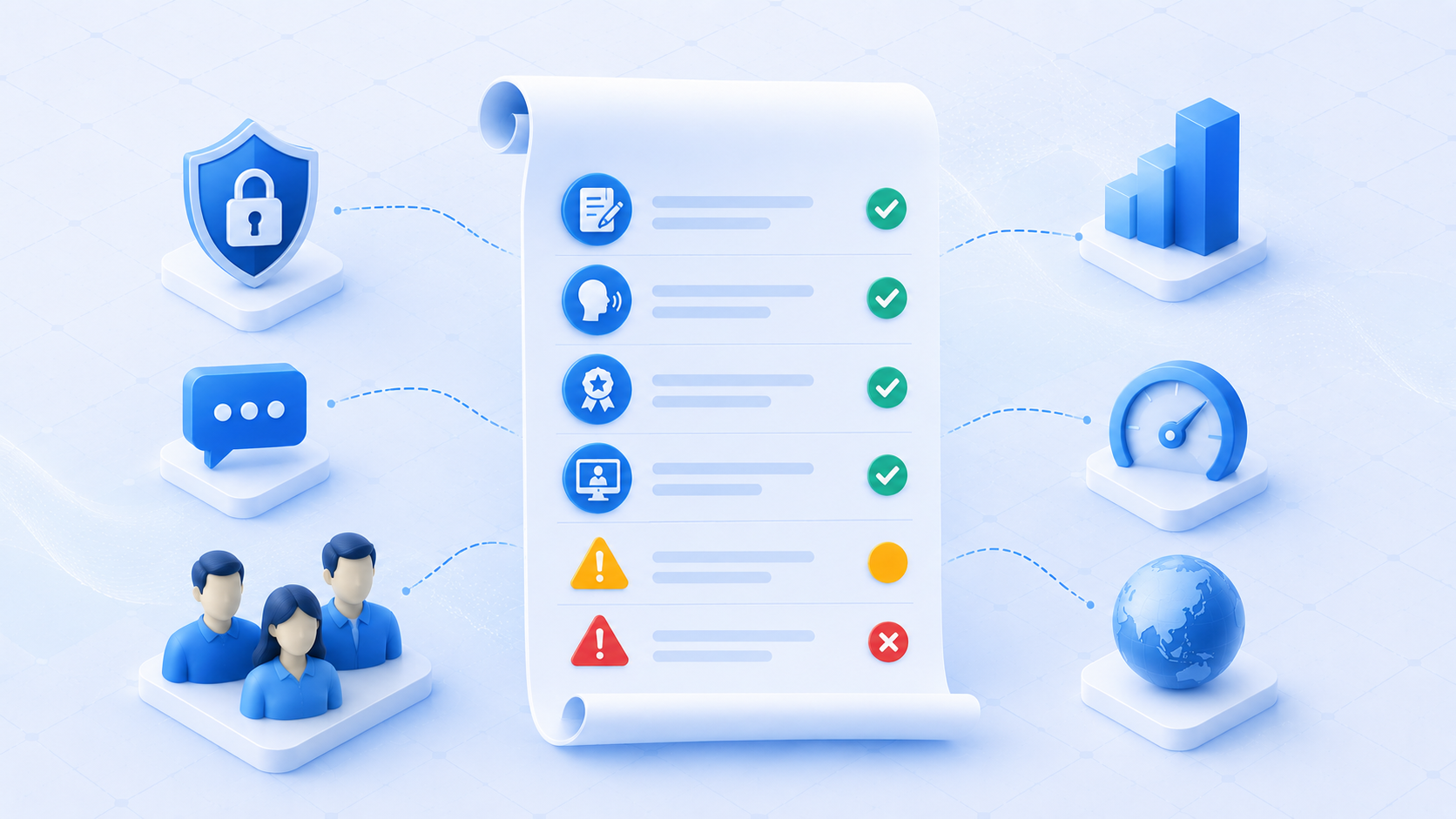
Effective offshore teams share traits with strong in-house groups: clear ownership, written decisions, predictable demos, and production discipline. You should know who is on your account, their seniority, and how they communicate blockers within one business day. Code lives in your repositories, deployments run through your CI, and documentation survives personnel changes.
Red flags include rotating anonymous developers, resistance to video calls, no test coverage expectations, and estimates that never move despite scope changes. Trust your instincts when process feels opaque.
Models compared
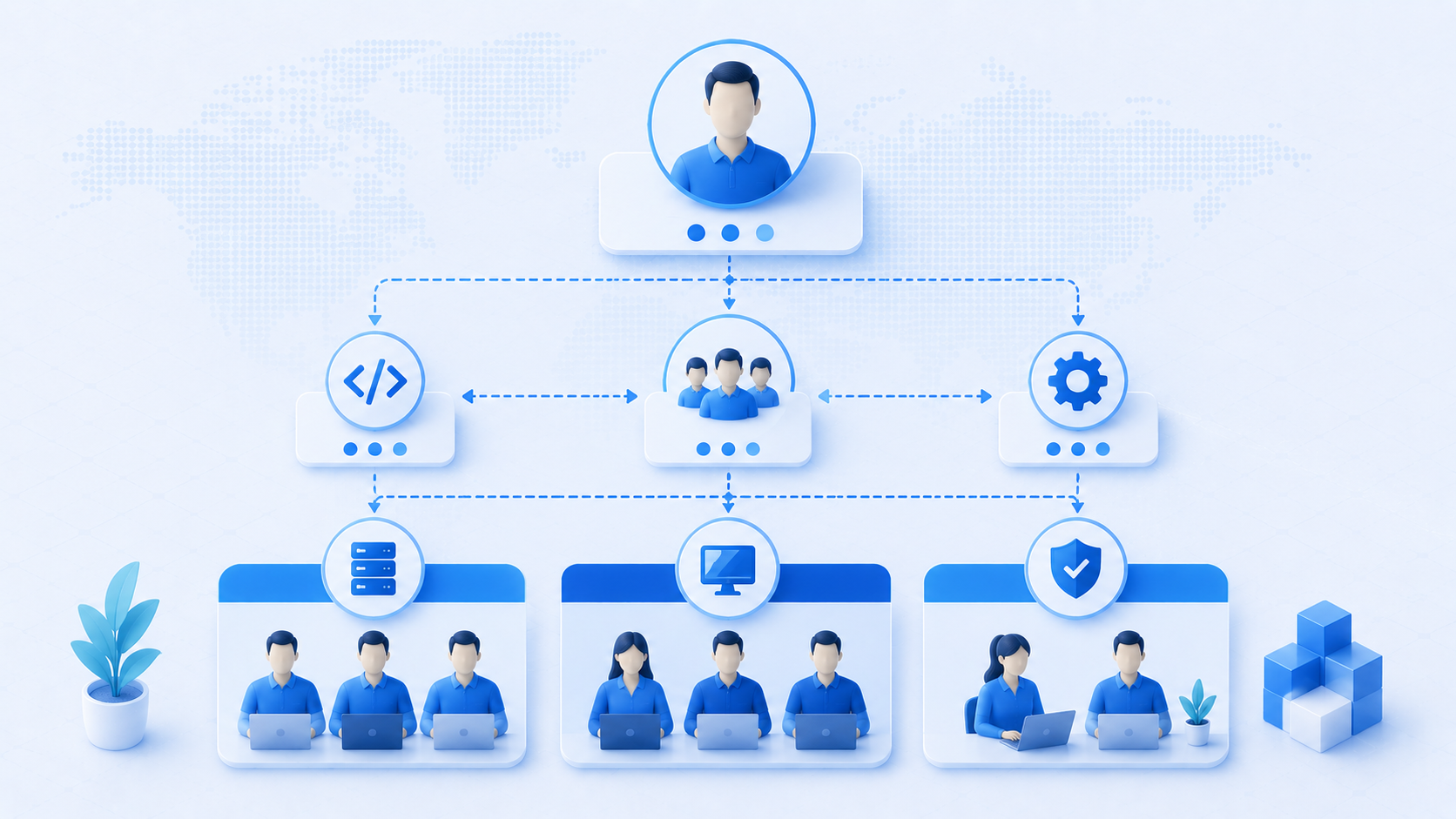
- Staff augmentation: You direct tasks daily; vendor supplies individuals. Flexible but heavy on your management time.
- Managed product team: Vendor owns delivery against milestones; you own product direction. Best fit for most startups without a large internal eng org.
- Project outsource: Fixed deliverable; less collaboration. Works for well-defined short projects, risky for evolving products.
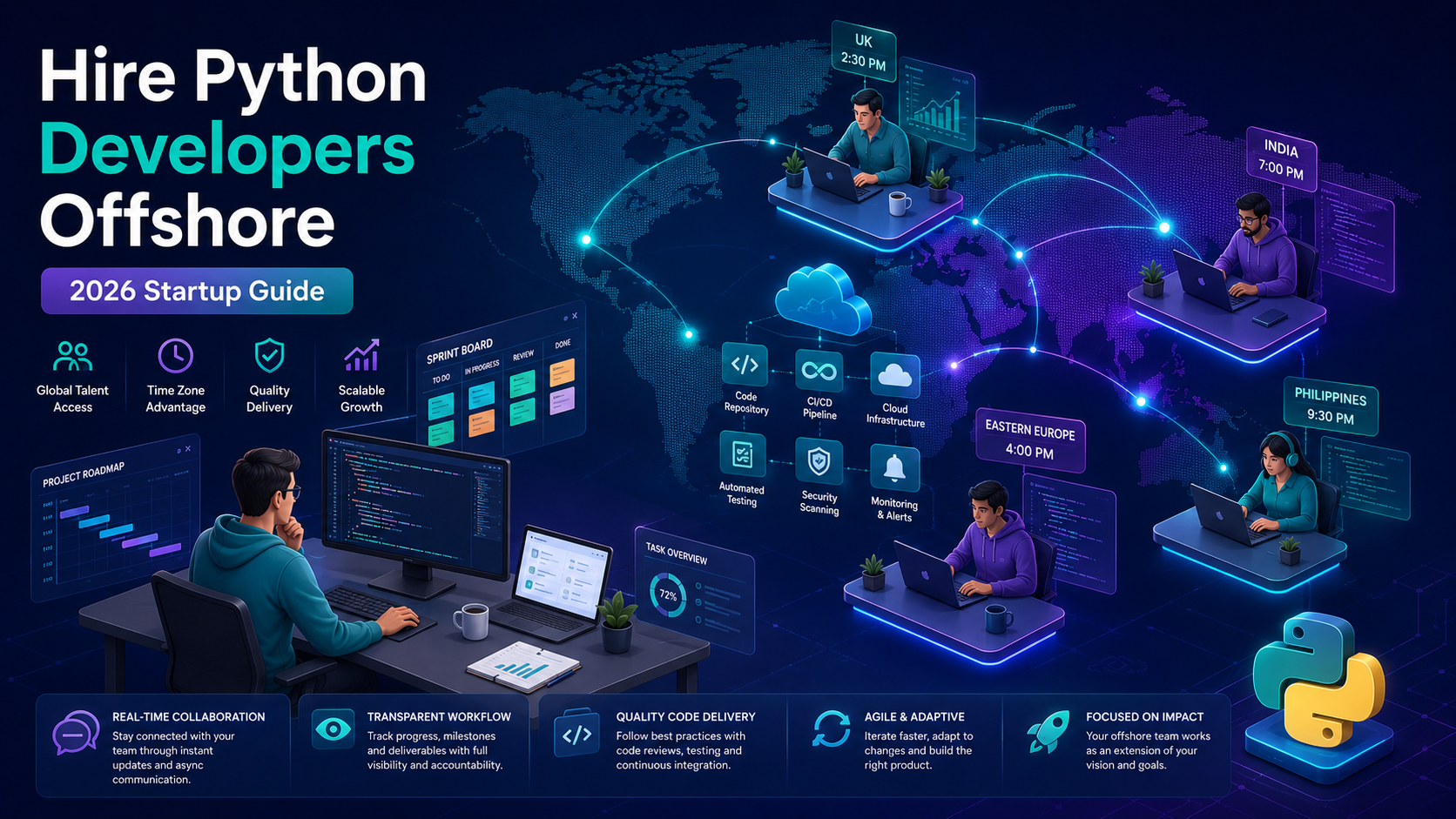
Daily sync rhythm that works across time zones
SparkScribe works IST business hours with a morning check-in and end-of-day summary on your channel - recorded demos, detailed PR descriptions, and Loom walkthroughs fill the gaps. Live sync calls are scheduled at kickoff when a decision needs a real-time conversation; we do not mirror US or UK office hours.
Document handoffs explicitly. When US stakeholders sleep, India engineers should still progress on well-defined tickets without blocking on unanswered questions - grooming and clear acceptance criteria make that possible.
Vetting partners before you sign
Ask for production references in your domain, not just portfolio screenshots. Request a sample sprint plan, engineering standards doc, and explanation of how bugs are triaged in production. A paid technical discovery week reveals more than any sales deck.
Verify IP assignment, security practices, and what happens if you pause or terminate the contract. Source code escrow is rarely needed if you own repos from day one - insist on that.
Building cultural alignment
Offshore success is relational. Invite engineers to product context sessions, share customer feedback, celebrate launches together. Teams treated as ticket takers optimize for closure; teams treated as partners optimize for outcomes.
Invest in a single product owner on your side who can prioritize and answer questions quickly. Ambiguous backlogs hurt offshore teams more than co-located ones because async loops multiply delay.
Cost expectations in 2026
Blended rates for senior-capable India teams sit well below US averages, but reputable shops with delivery leads, QA, and DevOps included are not bottom-of-market. Compare total cost per shipped milestone, not hourly rate alone.
Hiring internally in the US or UK while also managing offshore vendors rarely saves money early - choose one primary delivery model until scale justifies hybrid org design.
When SparkScribe is a fit
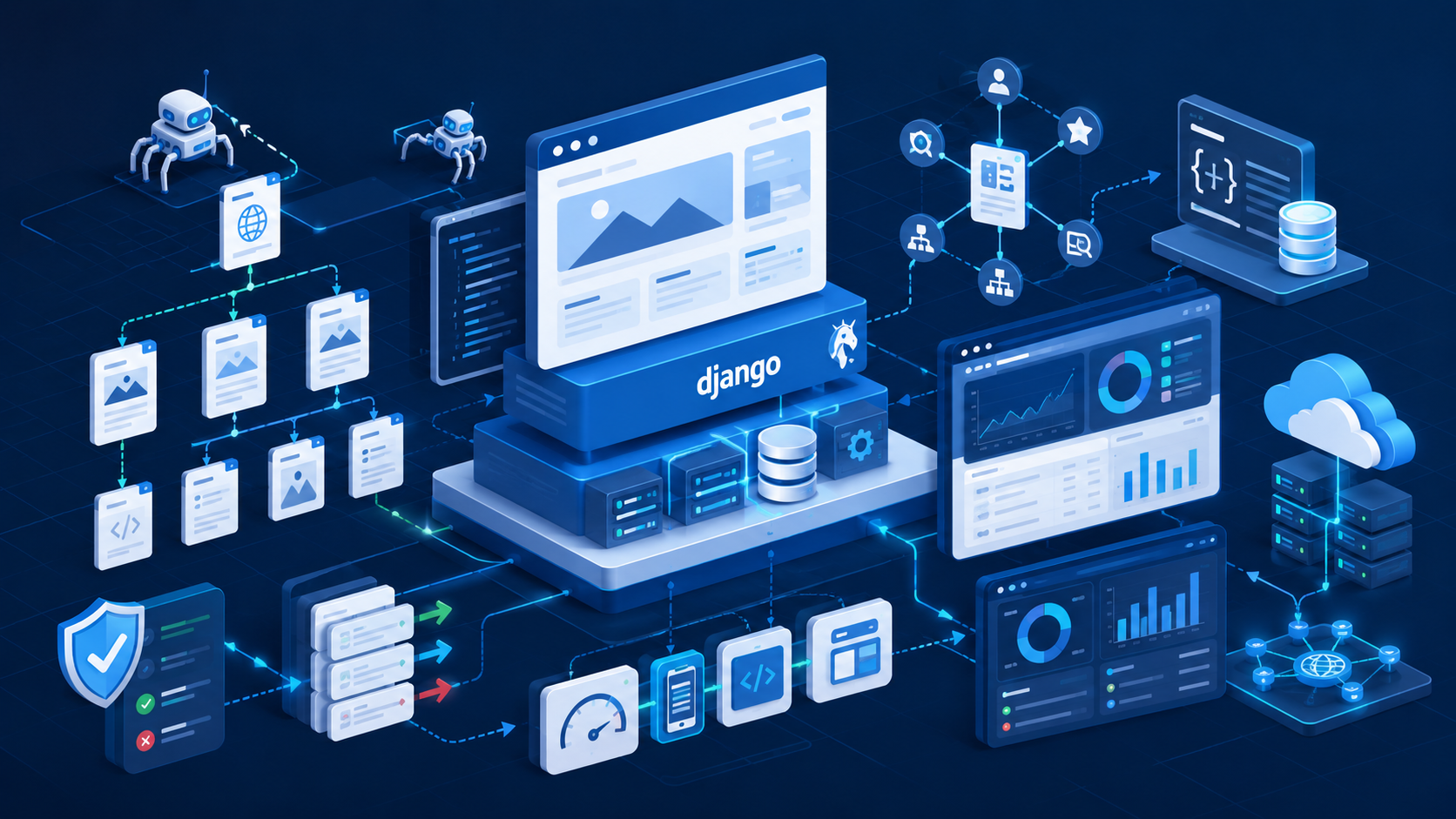
We work best with funded startups and scale-ups building Django web platforms, APIs for mobile, and AI features who want a long-term partner rather than the cheapest quote. If that sounds like your stage, explore how we engage or start with a conversation on our contact page.
Onboarding an offshore team in the first thirty days
Week one focuses on access, environments, and reading - repository tour, architecture doc, staging credentials, support channel norms. Week two assigns small merged PRs so engineers learn conventions through review feedback, not lecture slides. Week three pulls the offshore team into sprint ceremonies with real backlog items sized for independent progress during US or UK overnight hours.
Clients who front-load domain workshops - customer personas, revenue model, competitive landscape - see offshore engineers propose better shortcuts by week four. Treat that context sharing as investment, not overhead. The goal is a team that challenges requirements constructively, not one that waits for pixel-perfect tickets.
Legal and security paperwork
MSAs, NDAs, DPA addenda for GDPR, and background check requirements should start parallel to technical vetting, not after verbal commit. SparkScribe maintains standard security questionnaires for enterprise buyers and will join vendor review calls with your compliance lead. Delayed paperwork has killed timelines more often than technical mismatch in our experience.
Scaling the team up or down
Roadmaps shift - good partners flex capacity with notice rather than locking you into unused seats or refusing additions during crunch. Discuss ramp rules in the MSA: how many weeks notice to add a mobile specialist, what happens to sprint commitments if capacity drops, and how knowledge transfer works when engineers rotate for vacation or growth.
Transparent capacity planning prevents the awkward moment when a founder assumes three engineers are dedicated but only one is allocated half-time across accounts. Ask for monthly capacity reports in writing.
Further reading
The cheapest offshore quote is often the most expensive project - rework, security fixes, and founder time burn through runway faster than modest rate differences.
How many engineers will we get?
Team size scales with roadmap - typically two to five engineers plus a delivery lead for MVP engagements, with QA and DevOps support as needed.
Can we hire SparkScribe engineers exclusively?
We offer retainer models with dedicated capacity; exclusivity terms depend on engagement length and team size.
What if we already have a US CTO?
We collaborate well with technical founders and CTOs - they set architecture direction while we execute sprints and share production ownership.
How do you handle holidays in India?
We plan around major holidays in advance and maintain coverage for production support according to SLA agreements.
Evaluating offshore partners? Use our case studies as reference calls and reach out for a discovery sprint proposal.