

Article content
Machine Learning (ML) is one of the most exciting fields in technology today. It has the potential to transform industries by enabling systems to learn from data and improve over time. In this blog post, we'll take a deep dive into the world of machine learning, exploring its fundamental concepts, key algorithms, and real-world applications.
Further reading
Demystifying Machine Learning: A Deep Dive into its Concepts and Applications
Machine Learning (ML) is one of the most exciting fields in technology today. It has the potential to transform industries by enabling systems to learn from data and improve over time. In this blog post, we'll take a deep dive into the world of machine learning, exploring its fundamental concepts, key algorithms, and real-world applications.

What is Machine Learning?
Machine Learning is a subset of artificial intelligence that involves training algorithms to learn from and make predictions based on data. Unlike traditional programming, where rules are explicitly coded, ML algorithms identify patterns and make decisions with minimal human intervention.
Types of Machine Learning
Machine Learning can be broadly classified into three types: supervised learning, unsupervised learning, and reinforcement learning.
1. Supervised Learning
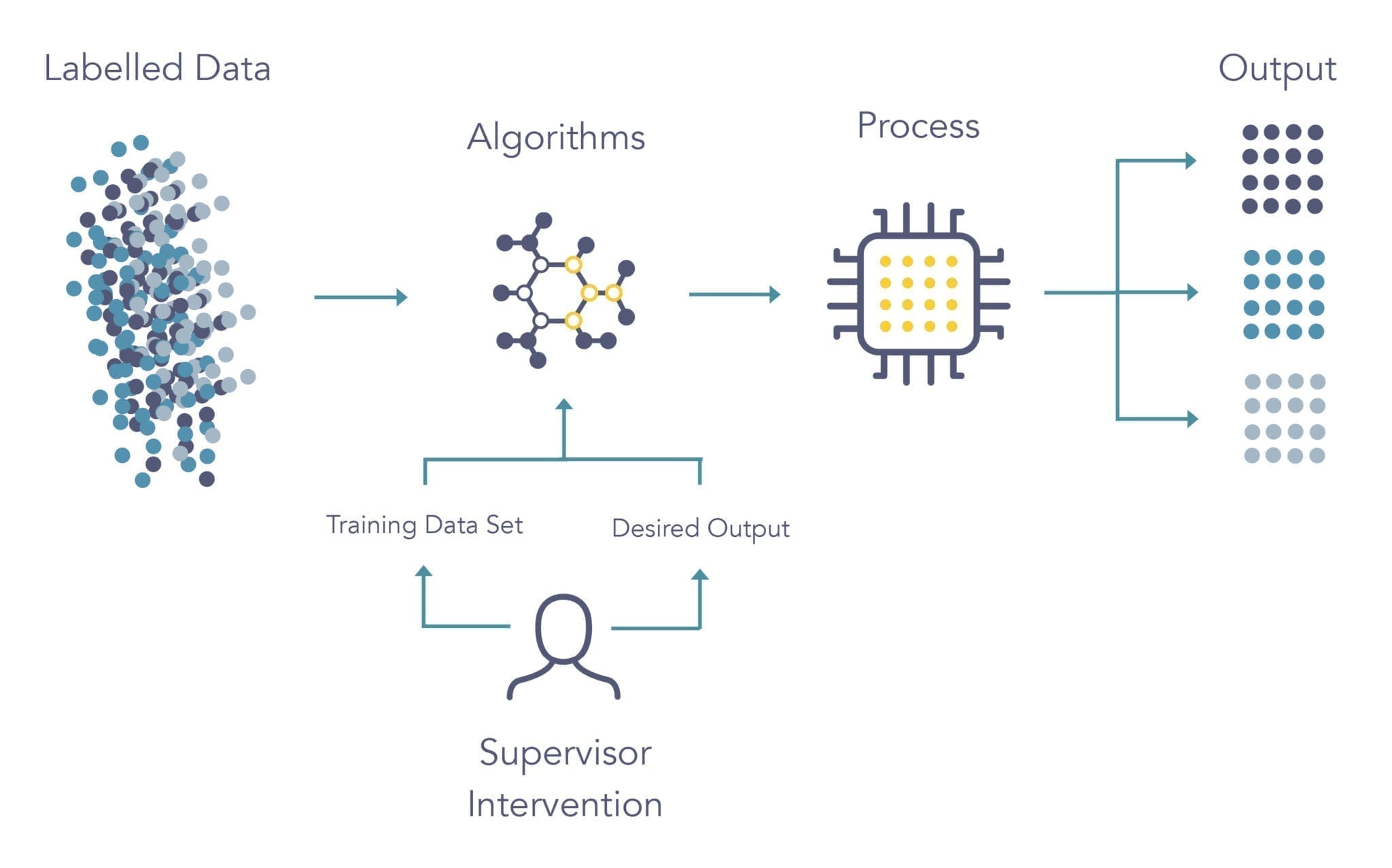
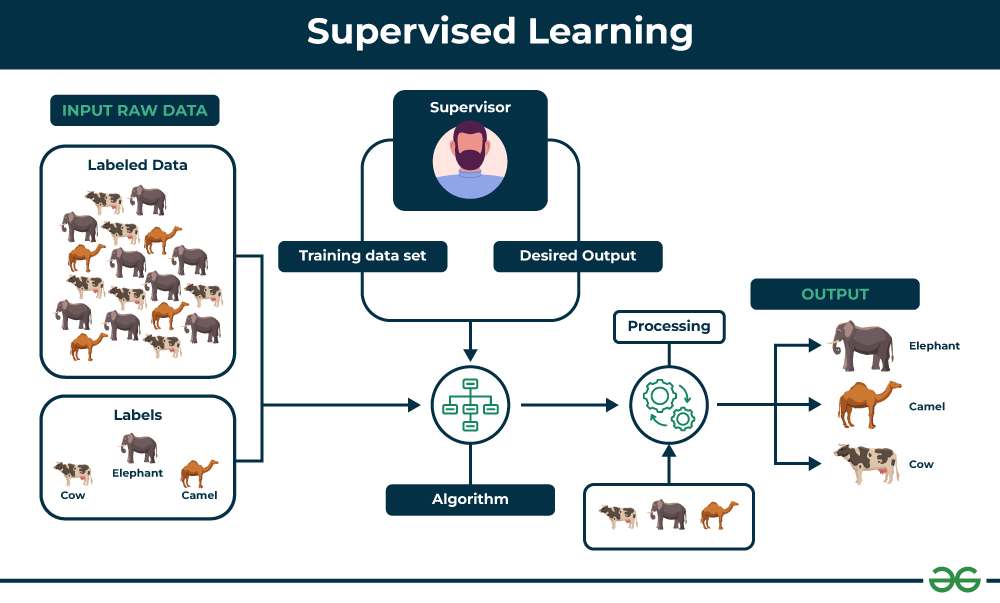
In supervised learning, the algorithm is trained on a labeled dataset, meaning that each training example is paired with an output label. The goal is to learn a mapping from inputs to outputs.
Examples:
- Regression: Predicting continuous values (e.g., predicting house prices).
- Classification: Categorizing data into predefined classes (e.g., spam detection in emails).
2. Unsupervised Learning
Unsupervised learning deals with unlabeled data. The algorithm tries to learn the underlying structure of the data without any explicit instructions on what to do with it.
Examples:
- Clustering: Grouping similar data points together (e.g., customer segmentation).
- Dimensionality Reduction: Reducing the number of random variables under consideration (e.g., Principal Component Analysis).

3. Reinforcement Learning
Reinforcement Learning involves training an agent to make a sequence of decisions by rewarding desired behaviors and penalizing undesired ones. It’s widely used in robotics, gaming, and autonomous systems.

Key Machine Learning Algorithms
1. Linear Regression
Linear regression is used to predict a continuous target variable based on one or more predictor variables. It assumes a linear relationship between the input variables and the output.

2. Decision Trees
Decision trees split the data into subsets based on the value of input variables. This process continues recursively, creating a tree where each node represents a decision point.

3. Support Vector Machines (SVM)
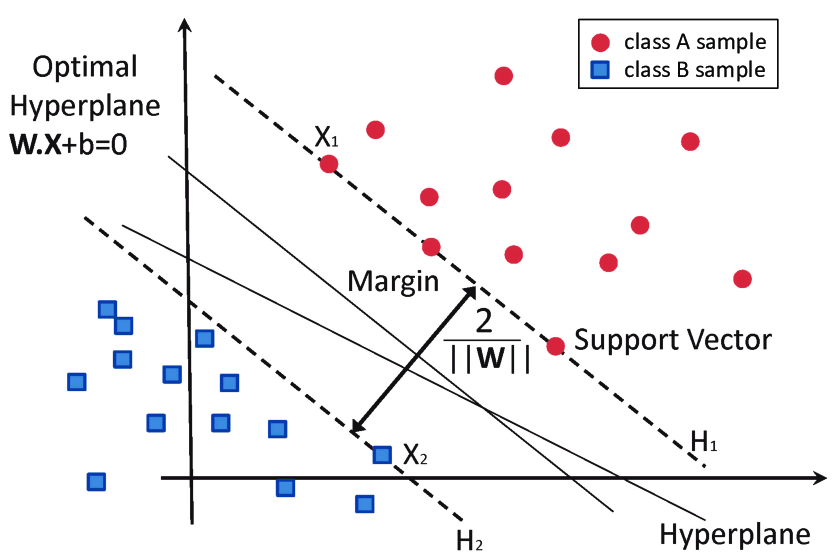
SVMs are used for classification and regression tasks. They work by finding the hyperplane that best separates the classes in the feature space.
4. Neural Networks
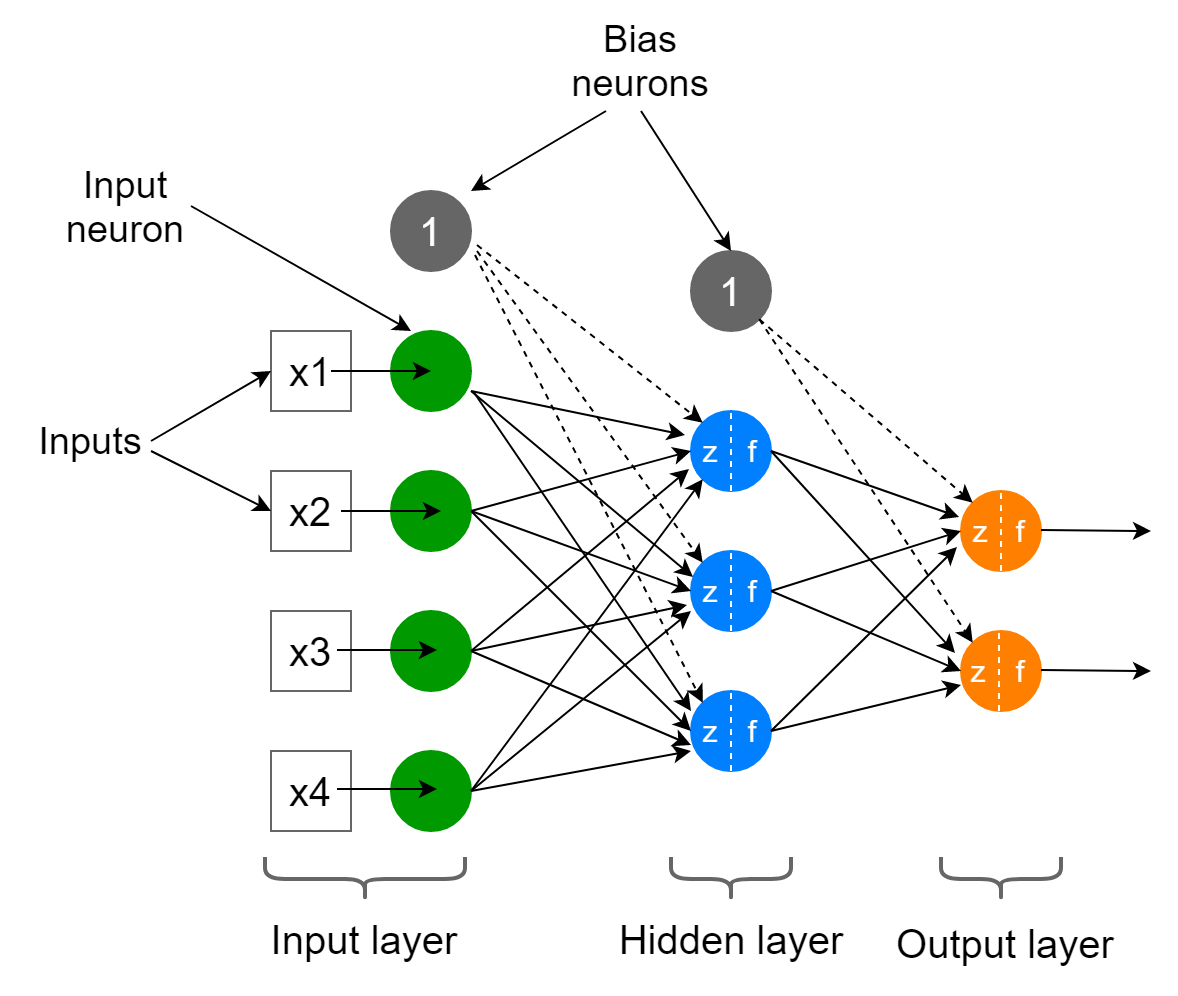
Neural networks are inspired by the human brain and consist of layers of interconnected nodes (neurons). They are particularly effective for complex tasks like image and speech recognition.
Real-World Applications of Machine Learning
Machine Learning is transforming industries by automating processes and providing insights that were previously unattainable.
1. Healthcare
- Diagnostics: ML algorithms analyze medical images to assist in diagnosing diseases.
- Personalized Medicine: Predicting patient responses to different treatments based on genetic data.

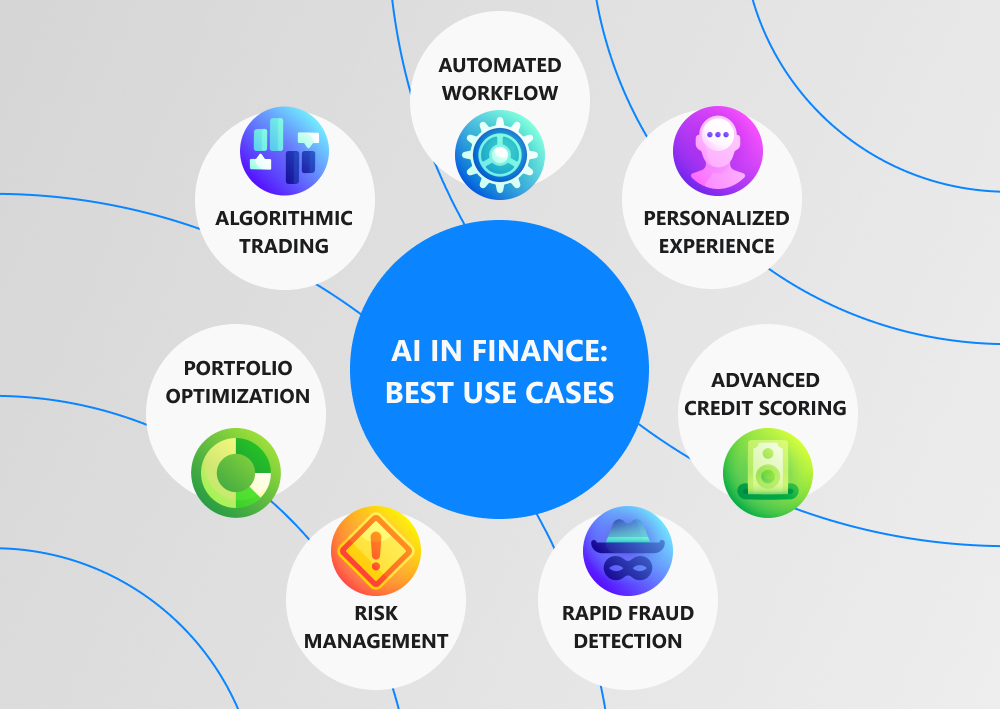
2. Finance
- Fraud Detection: Identifying unusual patterns in transactions that may indicate fraud.
- Algorithmic Trading: Using ML algorithms to make trading decisions based on historical data.
3. Retail
- Recommendation Systems: Analyzing customer behavior to recommend products.
- Inventory Management: Predicting stock levels and optimizing supply chain management.

Challenges in Machine Learning
Despite its potential, machine learning faces several challenges that need to be addressed:
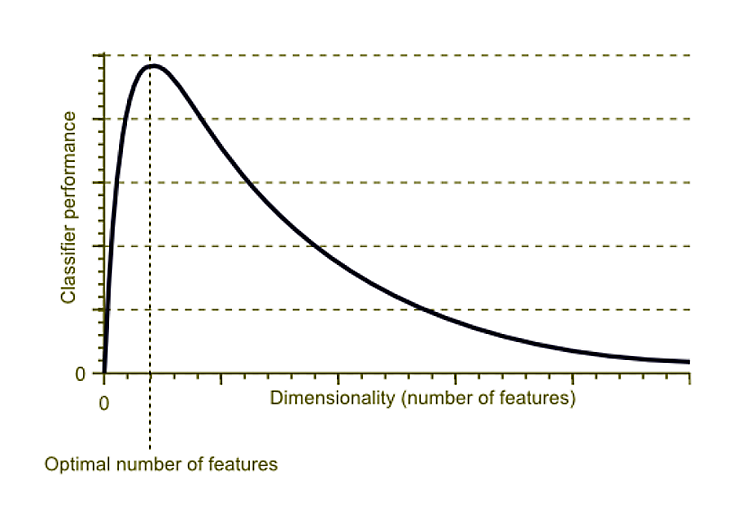
1. Data Quality
High-quality, relevant data is crucial for training effective ML models. Poor data quality can lead to inaccurate models and predictions.
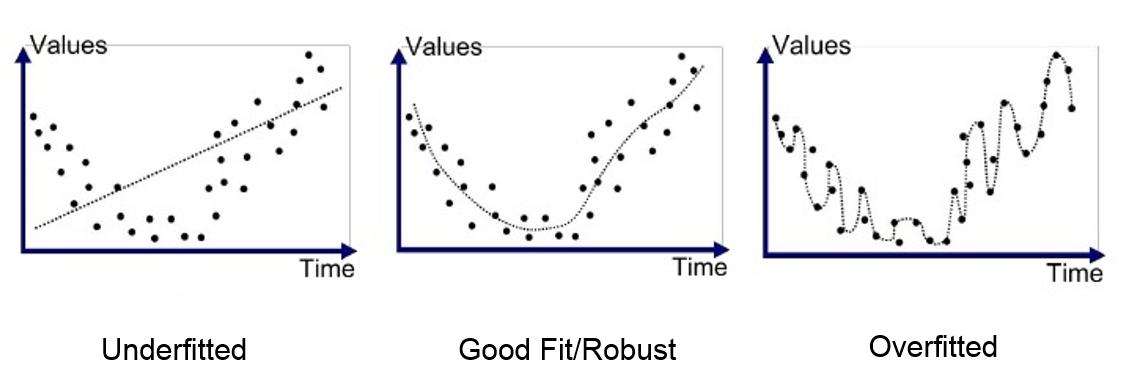
2. Overfitting and Underfitting
- Overfitting: The model learns the training data too well, including noise, resulting in poor generalization to new data.
- Underfitting: The model is too simple to capture the underlying patterns in the data.
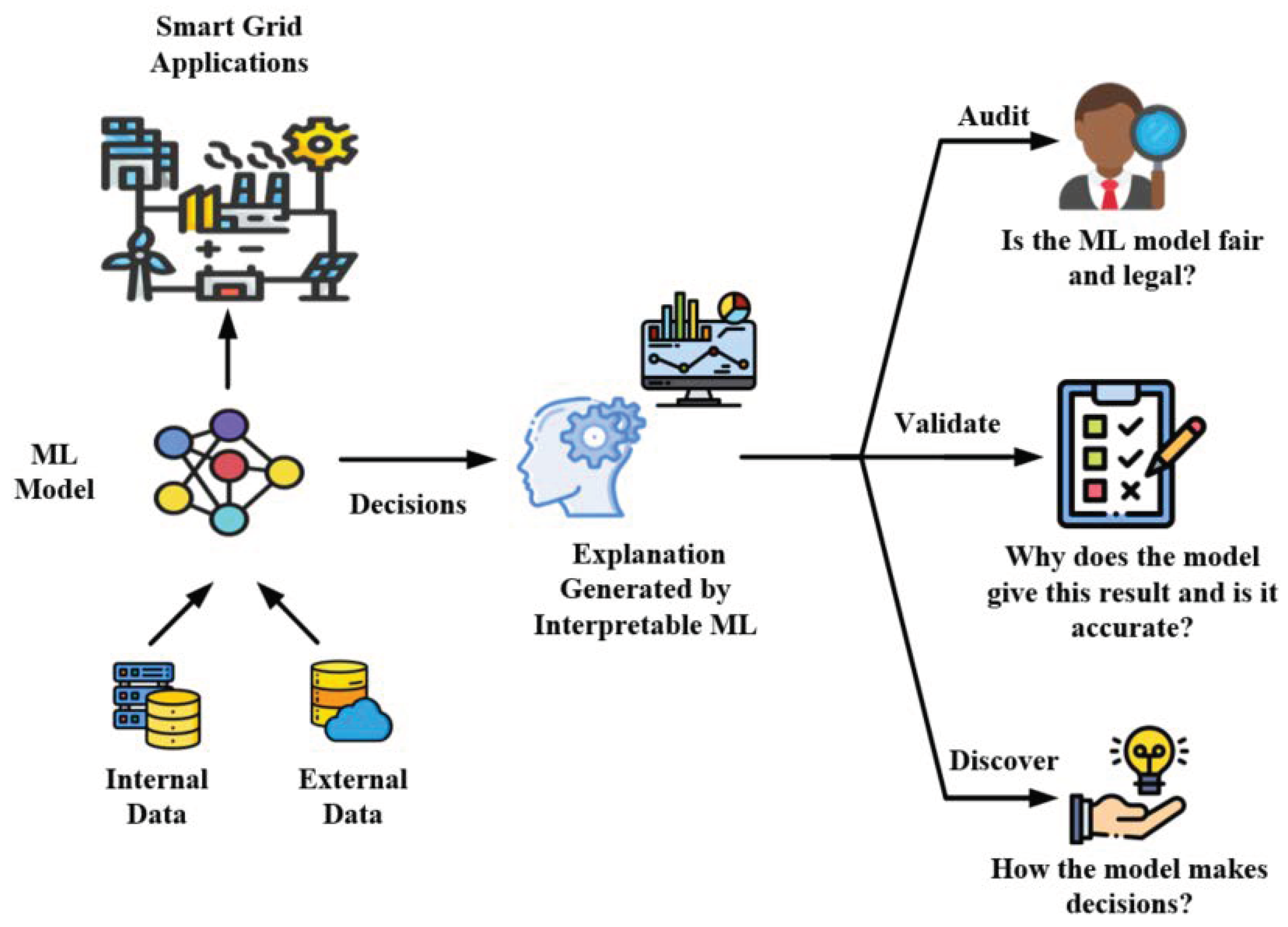
3. Interpretability
Understanding and interpreting the decisions made by ML models can be challenging, especially with complex models like deep neural networks.
Future Trends in Machine Learning
The field of machine learning is continuously evolving, with new trends and advancements emerging.
1. Automated Machine Learning (AutoML)
AutoML aims to automate the end-to-end process of applying machine learning, making it more accessible to non-experts.
2. Federated Learning
Federated learning involves training models across multiple decentralized devices while preserving data privacy.
3. Explainable AI (XAI)
XAI focuses on creating machine learning models that are more transparent and interpretable, helping build trust in AI systems.
Conclusion
Machine Learning is a powerful technology with the potential to revolutionize numerous industries. By understanding its concepts, algorithms, and applications, we can harness its capabilities to solve complex problems and drive innovation.
At SparkScribe Technologies, we are committed to exploring and advancing machine learning technologies. Stay tuned to our blog for more insights and updates on the latest developments in machine learning.